Premium petrol to remain ethanol-free; no plan to blend beyond 20%: Govt to Parliament
Quick Summary
- The Indian government has officially confirmed in Parliament that premium grade petrol will remain ethanol-free.
- There are no immediate plans to increase ethanol blending in regular petrol beyond the current 20% target.
- This decision aims to address concerns regarding engine compatibility for certain vehicles and maintain consumer choice for fuel options.
Detailed Analysis
Government Clarifies Fuel Blending Policy in Parliament
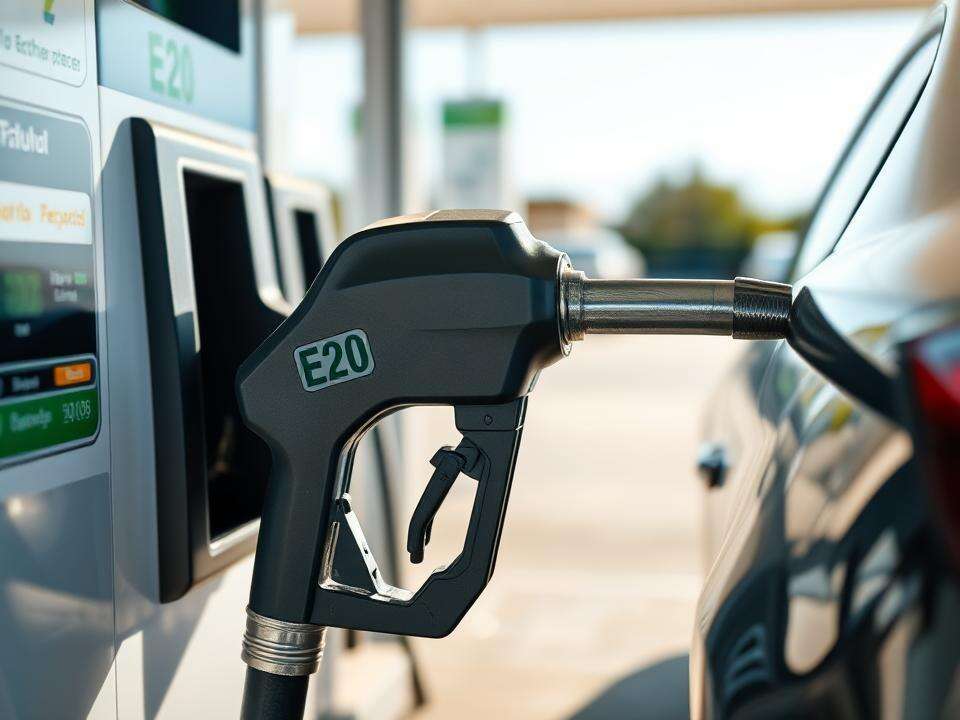
New Delhi – In a significant announcement that brings clarity to India’s evolving fuel policy, the government has unequivocally stated that premium grade petrol will not be blended with ethanol. Furthermore, the Ministry of Petroleum and Natural Gas has assured Parliament that there are currently no intentions to mandate ethanol blending beyond 20% for regular petrol, a target set to be achieved nationwide by 2025. This declaration addresses a long-standing concern among motorists, particularly owners of high-end, classic, or older vehicles, regarding the potential impact of ethanol-blended fuels on engine performance and longevity.
India’s Ambitious Ethanol Blending Program
India embarked on its ambitious Ethanol Blending Program (EBP) with the primary objectives of reducing its heavy reliance on crude oil imports, promoting cleaner fuel alternatives, and supporting the domestic agricultural sector, particularly sugarcane farmers. The program has seen remarkable progress, moving from an average of 1.53% blending in 2014 to over 11.5% in the financial year 2022-23. The government has set an ambitious target of achieving E20 (20% ethanol blend) by 2025, a goal that many states are already working towards. This initiative is projected to save the exchequer significant foreign exchange and reduce carbon emissions.
Premium Petrol: An Ethanol-Free Promise
The assurance that premium petrol will remain ethanol-free is a crucial distinction. Premium fuels, often chosen for high-performance vehicles, luxury cars, or those requiring higher octane levels, are sensitive to fuel composition changes. Ethanol, while beneficial in many aspects, can be corrosive to certain engine components (like rubber and plastic fuel lines) in older vehicles or those not designed for higher blends. For owners of such vehicles, or indeed anyone preferring to avoid ethanol, the availability of an unadulterated option is a welcome relief. This policy ensures that consumers have a choice, preventing a one-size-fits-all approach to fuel supply.
Setting the Blending Ceiling at 20%
The government’s declaration of no plans to exceed 20% ethanol blending in regular petrol for the foreseeable future provides much-needed stability and foresight for the automotive industry and consumers alike. While global discussions often explore higher blends like E85 or E100 for flex-fuel vehicles, India’s current commitment caps it at E20 for mainstream petrol. This decision allows vehicle manufacturers to design and produce engines that are E20 compliant without the immediate pressure of certifying for even higher blends. It also alleviates anxieties among the public regarding the long-term effects of higher ethanol concentrations on existing vehicle fleets.
Balancing Performance, Compatibility, and Consumer Choice
The rationale behind this policy appears to be multi-faceted. Firstly, it underscores the government’s commitment to ensuring fuel compatibility across the diverse range of vehicles on Indian roads. Not all vehicles, particularly those manufactured before the E20 roadmap was established, are fully equipped to handle higher ethanol blends without potential adverse effects. Secondly, it champions consumer choice, recognizing that a segment of the market values specific fuel properties or simply prefers non-ethanol options for various reasons. Finally, it demonstrates a pragmatic approach to energy transition, balancing ambitious environmental and economic goals with the practical realities of infrastructure, vehicle fleet adaptation, and consumer trust.
Implications for Motorists, Manufacturers, and the Market
For motorists, this means continued access to fuel options tailored to their vehicle’s needs, reducing concerns about engine damage or warranty issues. The automotive industry gains greater certainty, allowing for focused investment in E20 compliant technologies and clearer communication with customers. Oil Marketing Companies (OMCs) will continue to manage separate distribution channels for premium ethanol-free petrol, ensuring availability. This policy also subtly manages expectations within the biofuel sector, signaling a defined trajectory for blending targets without suggesting an open-ended escalation beyond E20 for the general fuel supply.
The Path Towards Sustainable Fuel and Energy Security
While the focus remains on achieving the E20 target for regular petrol, the government’s statement reinforces a strategy that prioritizes both sustainability and practicality. India’s journey towards energy security involves a blend of strategies, including increasing domestic fuel production, diversifying energy sources, and optimizing existing resources. The EBP is a cornerstone of this strategy, and the current clarifications ensure its implementation is considerate of the vast and varied automotive landscape of the nation.
Key Takeaways
- The government’s commitment to keeping premium petrol ethanol-free offers a vital choice for motorists, particularly owners of high-performance or older vehicles, ensuring engine compatibility and longevity.
- By capping ethanol blending at 20% for regular petrol, the government provides stability for the automotive industry and consumers, preventing immediate concerns over higher blend compatibility while still pursuing ambitious biofuel goals.