CJP protest: RAF probes excessive force, pellet gun charges in July 20 crackdown
TL;DR Summary
- The Rapid Action Force (RAF) has launched an internal probe into allegations of excessive force, including the use of pellet guns, during a CJP protest crackdown on July 20.
- Reports from activists and eyewitnesses detail lathi-charge and pellet gun injuries, contradicting standard crowd control protocols and raising concerns about human rights.
- The investigation aims to review the actions of personnel involved and ensure adherence to Standard Operating Procedures (SOPs), with potential implications for police-citizen trust and protest rights.
In-Depth Report
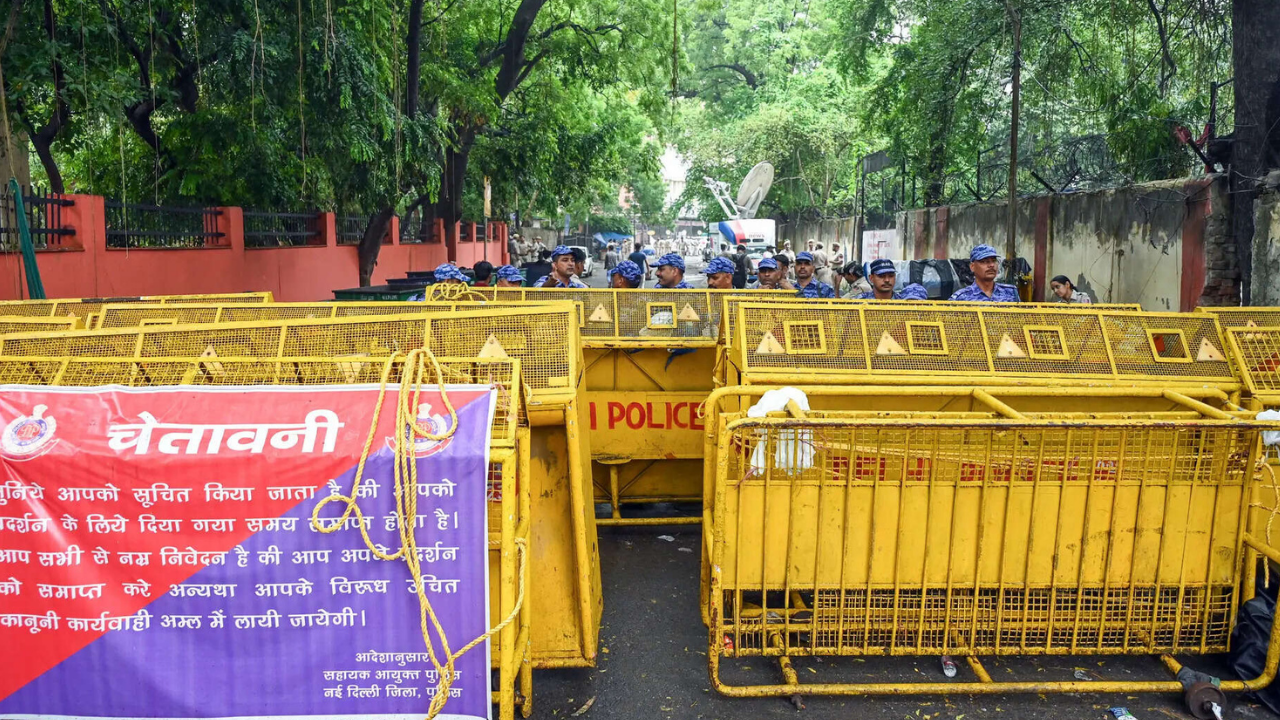
The Rapid Action Force (RAF), a specialized wing of India’s Central Reserve Police Force (CRPF) tasked with riot control and crowd management, has initiated a formal inquiry into serious allegations of excessive force used during a protest organized by a group identified as CJP on July 20. The probe specifically targets claims of personnel resorting to disproportionate violence, including the use of lathi-charge and pellet guns, against protesters who were reportedly demonstrating peacefully before the situation escalated. This internal investigation comes amidst growing public outcry and calls for accountability from civil society organizations and human rights activists, following widespread reports of injuries among demonstrators.
Allegations of Disproportionate Force
Eyewitness accounts and initial reports from the ground paint a concerning picture of the July 20 crackdown. Protesters associated with CJP, whose exact demands on the day are central to the context but the focus here is the use of force, allege that the RAF personnel swiftly escalated their response beyond what was necessary to manage the crowd. Multiple individuals have reported sustaining injuries ranging from bruises due to lathi-charge to more severe wounds indicative of pellet gun use. The deployment of pellet guns, a controversial ‘non-lethal’ weapon known for causing severe injuries, particularly to the eyes, has been a significant point of contention in past crowd control incidents across India and is now under scrutiny for this specific event. Medical records, where available, are expected to play a crucial role in substantiating these claims during the internal probe.
RAF’s Official Stance and Internal Review
In response to the mounting allegations, the RAF’s leadership has confirmed the launch of a comprehensive internal investigation. Official statements from the RAF emphasize their commitment to upholding human rights and adhering strictly to established Standard Operating Procedures (SOPs for crowd dispersal. The probe will meticulously examine footage from surveillance cameras, body cameras worn by personnel, if any, and gather testimonies from both the RAF personnel present and the protesters. The objective is to ascertain whether the force employed was commensurate with the threat perceived and if any individual personnel deviated from the prescribed protocols. The outcome of this inquiry is anticipated to be critical in either exonerating or holding accountable those involved.
Calls for Transparency and Accountability
Civil society groups and political observers have welcomed the initiation of the probe but simultaneously called for its complete transparency and an impartial outcome. Activists from CJP and other human rights organizations have urged the RAF to make its findings public and to take concrete action against any personnel found guilty of violating human rights or using excessive force. They argue that such incidents erode public trust in law enforcement agencies and undermine the constitutional right to peaceful protest. The incident has reignited the broader debate on the methods employed by security forces during crowd control, particularly in politically charged environments, and the need for better training and strict adherence to non-violent dispersal techniques.
Background & Context
The July 20 incident involving the CJP protest and the subsequent RAF probe did not occur in a vacuum. Protests by various groups, including civic justice organizations like CJP, are a frequent feature of India’s vibrant democracy, often stemming from socio-political grievances, policy disagreements, or demands for justice. While the specific objectives of the CJP protest on July 20 require detailed contextualization for a full understanding, the general pattern of such demonstrations often involves the expression of dissent against governmental actions or inactions.
The Rapid Action Force, established in 1992, was designed to handle riot control and similar law and order situations with a more humane approach than traditional police forces. Its mandate includes de-escalation and minimizing casualties, using tear gas, water cannons, and lathi-charge as primary tools, with firearms, including pellet guns, intended only as a last resort in extreme situations. However, the use of pellet guns has become a contentious issue in India, particularly following their extensive deployment in other regions during periods of unrest, leading to severe injuries and public condemnation, raising questions about their classification as ‘non-lethal’ and the ethical implications of their use.
This backdrop of recurrent protests and the persistent debate over crowd control tactics forms the crucial context for the current investigation. Any allegation of excessive force, especially involving weapons like pellet guns, immediately triggers concerns about fundamental rights and the state’s responsibility to protect its citizens, even when they are engaged in dissent. Previous inquiries into similar incidents have often highlighted gaps in training, communication breakdowns, or individual misconduct, underscoring the necessity of a thorough and unbiased investigation into the July 20 events.
Why It Matters (Impact Analysis)
The ongoing RAF probe into the July 20 crackdown on the CJP protest carries significant implications that extend far beyond the immediate incident, impacting public trust, fundamental rights, and the future of law enforcement in India. At its core, the investigation will test the accountability mechanisms within India’s security forces. If allegations of excessive force are substantiated and appropriate action is taken, it could bolster public confidence in the system’s ability to self-correct and uphold justice. Conversely, if the probe is perceived as a whitewash or inconclusive, it risks further eroding the already fragile trust between citizens and law enforcement, particularly among marginalized communities or those who frequently engage in protests.
Furthermore, this incident critically impacts the constitutionally guaranteed right to peaceful assembly and protest in India. The fear of disproportionate state response can act as a chilling effect on legitimate dissent, potentially deterring citizens from exercising their democratic rights. The outcome of this investigation will set a precedent for how future protests are managed and how allegations of police misconduct are addressed. It forces a critical re-evaluation of crowd control methods, especially the use of pellet guns, prompting renewed calls for their ban or stricter regulations, aligning India’s practices with international human rights standards.
Economically and socially, such incidents can disrupt local life, create an atmosphere of fear, and potentially lead to further unrest, impacting businesses and social harmony. For the CJP and similar activist groups, the outcome will dictate the trajectory of their advocacy – whether they gain stronger moral ground and public support or face increased challenges in mobilizing. Ultimately, the RAF probe into the July 20 crackdown is a pivotal moment that will shape perceptions of state authority, civic freedoms, and the imperative for humane governance in India.
Key Takeaways
- The integrity and transparency of the RAF’s internal probe are crucial for restoring public confidence in law enforcement and for ensuring accountability for alleged excessive force during public protests.
- The incident reignites the national debate on the ethical deployment of crowd control weapons, particularly pellet guns, and underscores the ongoing tension between state security concerns and citizens’ fundamental right to peaceful protest.