SC: Will go the extra mile to fix issues, make NEET foolproof
TL;DR Summary
- The Supreme Court has asserted its unwavering commitment to rectify all irregularities and make the NEET-UG examination “foolproof.”
- This strong stance comes amidst widespread protests and petitions challenging the integrity of the 2024 medical entrance exam, citing issues like grace marks and alleged paper leaks.
- The National Testing Agency (NTA), responsible for conducting NEET, is under intense scrutiny, with the Supreme Court scheduling further hearings to ensure a fair and transparent resolution for over 2.4 million aspirants.
In-Depth Report
SC Takes Firm Stand on NEET Integrity
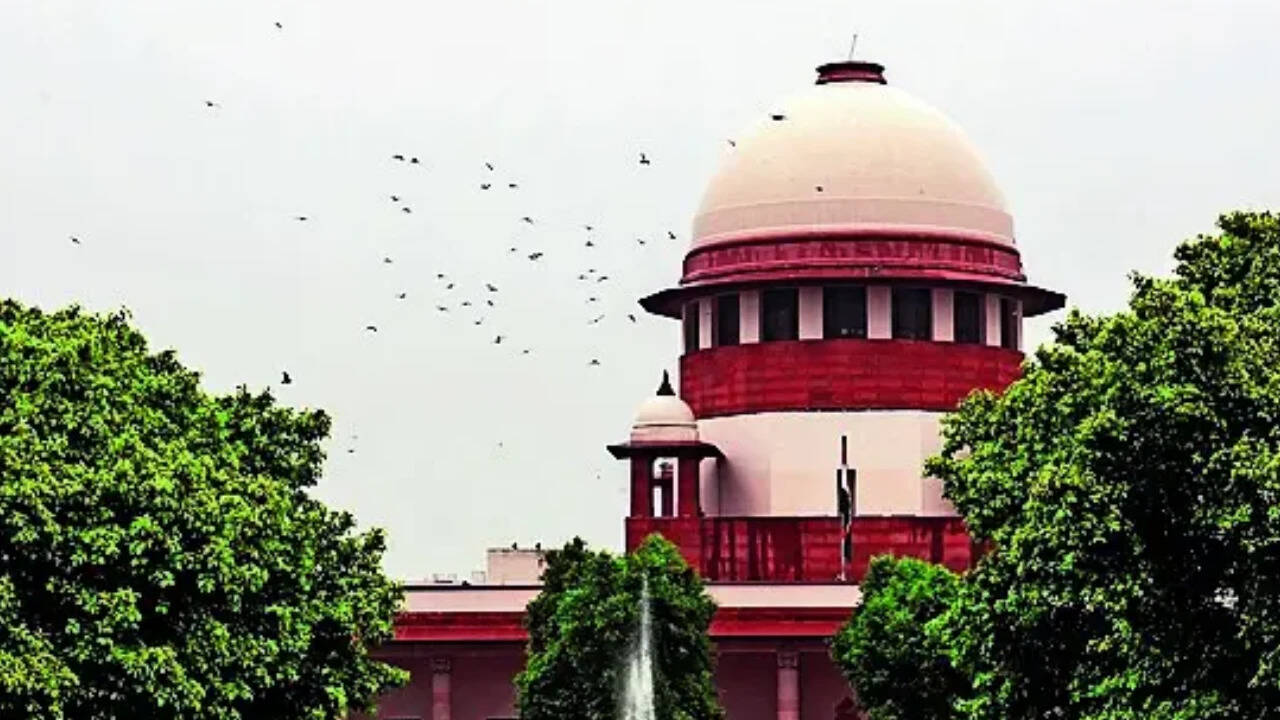
The Supreme Court of India has unequivocally declared its resolve to go “the extra mile” to address all concerns surrounding the National Eligibility-cum-Entrance Test (NEET-UG) 2024 and to ensure the examination process becomes “foolproof” for the future. Presiding over a batch of petitions challenging the sanctity of the medical entrance test, a vacation bench comprising Justices Vikram Nath and S.V.N. Bhatti emphasized the paramount importance of transparency and fairness for the 2.4 million aspiring medical professionals across the nation. This robust commitment from the apex court signals a serious intent to restore faith in an examination system currently facing unprecedented public scrutiny and widespread accusations of irregularities.
Scrutiny on NTA and Government Assurances
During the recent hearings, the Supreme Court meticulously reviewed various petitions, including those seeking a complete cancellation of the NEET-UG 2024 examination due to alleged paper leaks and the contentious issue of grace marks awarded to over 1,563 candidates. While the Central government and the National Testing Agency (NTA) have already announced the cancellation of grace marks and a re-examination for these specific candidates, the court’s larger concern extends to the systemic vulnerabilities exposed by the current controversy. The NTA, the body entrusted with conducting the examination, is under immense pressure to provide satisfactory explanations and implement robust corrective measures to prevent future lapses. The government, through the Solicitor General, has reiterated its commitment to upholding the integrity of the examination process.
Addressing the Dual Challenges: Grace Marks and Paper Leaks
The NEET-UG 2024 saga is primarily marred by two distinct but interconnected issues. First, the arbitrary award of grace marks to candidates, reportedly to compensate for lost time during the examination, led to an unprecedented number of top scores, including 67 candidates achieving a perfect 720/720. This decision, lacking clear methodology and transparency, sparked outrage and suspicion. Second, and more gravely, are the persistent allegations of paper leaks in several states, including Bihar, Gujarat, and Rajasthan. Multiple arrests have been made, and investigations by state police and central agencies like the CBI are ongoing. These allegations strike at the very core of the examination’s fairness, suggesting that some candidates may have had unfair access to examination material, thus compromising the level playing field.
A Path Towards Reform and Transparency
The Supreme Court’s strong observations underscore a critical juncture for India’s competitive examination landscape. Justice Misra, while hearing arguments, stated, “Even if there is 0.001% negligence on the part of anyone, it has to be dealt with thoroughly.” This sentiment reflects the judiciary’s understanding of the profound impact these irregularities have on the lives and futures of millions of young individuals. The court has not only sought detailed affidavits from the NTA and the Centre but has also consolidated all related petitions, indicating a desire for a holistic resolution. The upcoming hearings are expected to delve deeper into the NTA’s operational protocols, question paper security, and result tabulation mechanisms, paving the way for potential structural reforms to make NEET genuinely “foolproof.”
Background & Context
NEET-UG, the National Eligibility-cum-Entrance Test for undergraduate medical courses, was introduced in 2013 as a single, uniform entrance examination for admissions to MBBS and BDS courses across all medical and dental colleges in India. The primary objective behind its implementation was to streamline the admission process, eliminate the multitude of private and state-level entrance exams, and ensure a standardized assessment of merit, thereby promoting transparency and curbing malpractices often associated with multiple examination systems. Administered by the National Testing Agency (NTA) since 2019, NEET-UG has become the sole gateway for aspiring doctors and dentists to pursue their dreams in government and private institutions nationwide.
Despite its noble objectives, NEET has faced its share of controversies since its inception, largely revolving around syllabus disparities, language issues, and accessibility. However, the current crisis surrounding the 2024 examination is arguably the most significant. The catalyst for the widespread uproar was the declaration of results on June 4, 2024, ahead of schedule. This unusual timing, coupled with an unprecedented 67 candidates scoring a perfect 720/720 marks and an abnormally high number of candidates scoring in the 718-719 range (scores technically impossible without the grace mark system), immediately raised red flags among students, parents, and educators.
The NTA initially attributed the high scores and the unusual marks to the award of “grace marks” to 1,563 candidates who reportedly lost examination time at six centres due to administrative errors. This decision, based on a pro-rata formula derived from a Supreme Court ruling concerning the CLAT examination, was met with severe criticism for its lack of transparency and for potentially disadvantaging other candidates. Concurrently, reports of question paper leaks from various centres in states like Bihar, Gujarat, and Rajasthan began to surface, further eroding public trust. FIRs were filed, and police investigations commenced, leading to multiple arrests and corroborating concerns that the examination’s integrity had been severely compromised, setting the stage for the Supreme Court’s intervention.
Why It Matters (Impact Analysis)
The ongoing NEET-UG 2024 controversy carries profound implications for millions of students, their families, and the integrity of India’s medical education system. For over 2.4 million aspirants, many of whom have spent years and significant financial resources preparing for this highly competitive exam, the uncertainty and allegations of malpractice are deeply disheartening. It fuels anxiety, psychological stress, and a sense of betrayal, potentially leading to disillusionment with the system and even impacting their mental health. The delay in resolution also postpones their career trajectories and future plans, creating a cascading effect on higher education admissions.
Beyond individual aspirations, the crisis strikes at the core of meritocracy, a fundamental principle of competitive examinations. If deserving candidates are denied their rightful place due to fraudulent practices or systemic errors, it undermines the entire educational framework. This can lead to a loss of public trust in national examination bodies like the NTA and, by extension, in government institutions responsible for upholding fairness and transparency. Such erosion of trust can have long-term consequences, prompting calls for more rigorous oversight and fundamental reforms in how high-stakes examinations are conducted across various sectors.
Furthermore, the integrity of NEET directly impacts the quality of future medical professionals entering the healthcare system. If candidates gain admission through unfair means, it raises concerns about their competence and ethical standards, potentially jeopardizing public health in the long run. The Supreme Court’s strong intervention, therefore, is not just about resolving a current dispute but about safeguarding the future of medical education in India and ensuring that only truly meritorious individuals serve the nation’s healthcare needs. The outcome of these proceedings will set a crucial precedent for exam reforms and accountability mechanisms for years to come.
Key Takeaways
- The Supreme Court’s firm stance signals a zero-tolerance policy towards exam irregularities, promising significant systemic reforms in NEET-UG to prevent future recurrences and restore faith in merit-based admissions.
- The ongoing investigation into alleged paper leaks and the NTA’s operational protocols is expected to lead to greater accountability and transparency from national examination bodies, potentially ushering in a new era of secure and fair testing methodologies.