Delhi Transport Bodies Announce Parliament March on August 4 Against E20 Fuel Policy, Citing Legislative Inaction
TL;DR Summary
- Delhi transport associations are preparing for a significant protest march to Parliament on August 4.
- The demonstration targets the government’s E20 fuel policy, with unions expressing profound concerns over vehicle compatibility and economic viability for operators.
- Protest organizers accuse Members of Parliament of insufficient engagement and inaction regarding the critical issues presented by the new fuel blend.
In-Depth Report
Planned Demonstration Against E20 Mandate
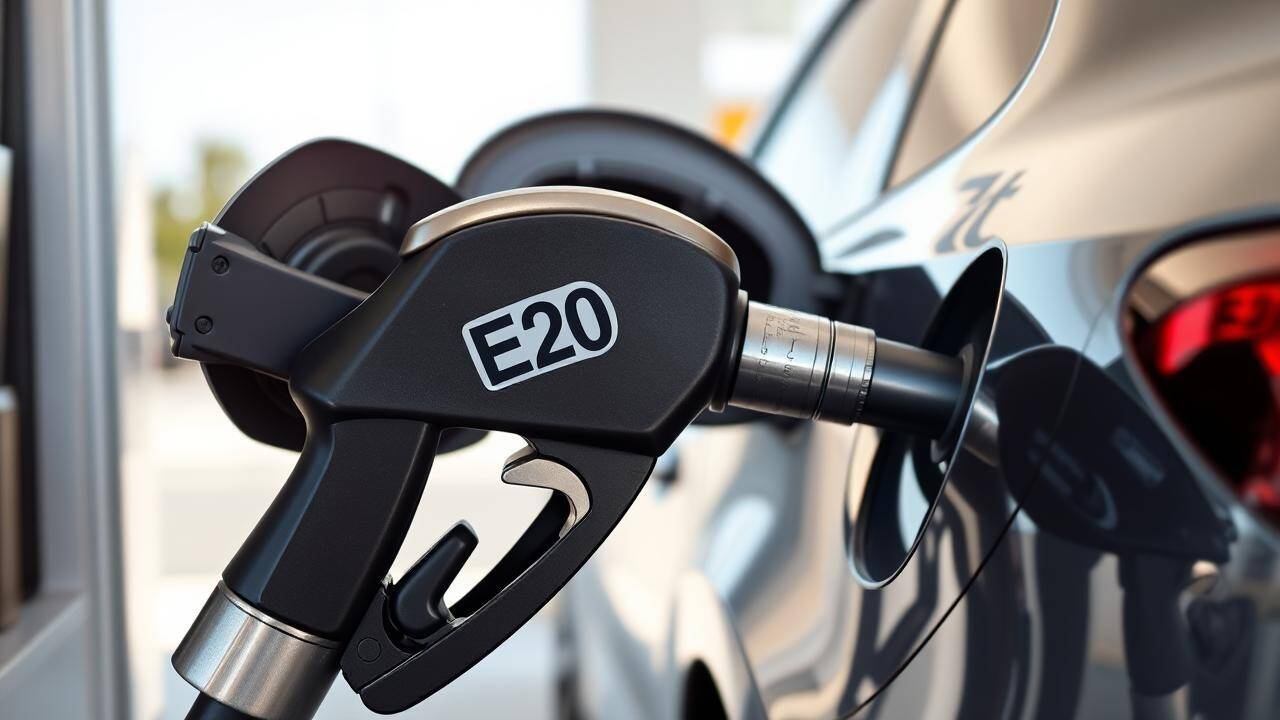
On August 4, 2024, various Delhi-based transport bodies, representing a substantial segment of the capital’s public and commercial transport sector, are slated to undertake a march towards Parliament. This organized demonstration is a direct response to the government’s E20 fuel policy, which mandates a 20% blending of ethanol with petrol. The protest organizers have vocally expressed their dissatisfaction, attributing their decision to what they perceive as legislative indifference to the genuine hardships faced by thousands of drivers and vehicle owners. The phrase “MPs sleeping” underscores their belief that their concerns have not received adequate attention or action from elected representatives.
Core Grievances and Economic Implications
The primary contention of the protesting unions revolves around the compatibility of existing vehicles, particularly older models of auto-rickshaws and taxis, with the E20 fuel blend. Transport associations argue that a significant portion of their fleet, which was not designed for higher ethanol content, will incur substantial damage, leading to frequent breakdowns and increased maintenance costs. Furthermore, there are concerns regarding potential reductions in fuel efficiency, directly impacting the operational costs and profitability for drivers already contending with fluctuating fuel prices and intense competition. The cumulative effect, they contend, threatens the livelihoods of countless individuals and their families.
The Stance of Transport Federations
Leaders of prominent Delhi transport federations, including unions representing auto-rickshaw and taxi drivers, have consistently articulated their grievances through various channels. They assert that the implementation of the E20 policy has not been accompanied by sufficient transitional support mechanisms, such as subsidies for vehicle upgrades or replacements, or comprehensive information campaigns addressing technical concerns. Their appeal to Parliament is a culmination of what they describe as unanswered calls for dialogue and policy adjustments that consider the ground realities of the transport sector. The planned march aims to forcefully bring these issues to the forefront of national legislative discourse.
Broader Implications for Urban Mobility
Should the concerns of the transport bodies remain unaddressed, the protest on August 4 could signify a deepening rift between policy implementation and stakeholder acceptance. The Delhi transport system, a vital artery of urban life, relies heavily on these operators. Any widespread impact on vehicle performance or the economic stability of drivers could potentially lead to disruptions in services, affecting millions of daily commuters. The protest also serves as a critical test for the government’s communication and engagement strategies concerning its national biofuel program.
Background & Context
India’s push for ethanol blending is a strategic national initiative aimed at reducing the country’s reliance on crude oil imports, thereby enhancing energy security, and mitigating environmental pollution. The government initially set a target of achieving E10 (10% ethanol blend) by 2022 and subsequently advanced the E20 target (20% ethanol blend) from 2030 to 2025. This ambitious timeline has seen a rapid rollout of E20 compliant fuel across various cities, including Delhi.
While the government has lauded the environmental benefits of E20 fuel, such as reduced carbon emissions, and highlighted its economic advantages for the agricultural sector through increased demand for sugarcane and other feedstock, a significant challenge has emerged in the form of vehicle compatibility. Automobile manufacturers have begun producing E20-compliant vehicles, but a vast legacy fleet, particularly older two-wheelers, auto-rickshaws, and some older car models, were not engineered to handle the corrosive properties or different combustion characteristics of a 20% ethanol blend. This mismatch forms the crux of the current dispute, with transport unions having previously raised concerns about premature engine wear, fuel system damage, and overall reduction in vehicle lifespan if E20 fuel is used in non-compliant vehicles without necessary modifications or support.
Why It Matters (Impact Analysis)
The impending protest by Delhi’s transport bodies holds significant ramifications for several key areas, transcending mere operational inconveniences. Firstly, it underscores a critical juncture in India’s energy transition policy. While the E20 mandate is designed with long-term strategic goals for national energy security and environmental sustainability, its practical implementation must navigate the immediate economic realities and infrastructural challenges faced by primary stakeholders. A failure to adequately address the concerns of transport operators could erode public and industry confidence in broader energy policy reforms.
Secondly, the protest directly impacts the livelihoods of thousands of auto-rickshaw and taxi drivers in Delhi. These individuals often operate on thin margins, and any increase in maintenance costs, reduction in fuel efficiency, or potential damage to their vehicles due to E20 fuel compatibility issues could push them into severe financial distress. Such economic instability within a crucial segment of the informal economy can have ripple effects, potentially leading to social unrest and disruptions in urban public transport services, which millions of citizens rely upon daily.
Lastly, this situation presents a significant challenge to the government’s commitment to inclusive policy-making. The “MPs sleeping” accusation highlights a perceived disconnect between policy formulation at the national level and its ground-level impact. The resolution of this dispute will necessitate robust engagement, transparent communication, and potentially the development of targeted support mechanisms or transition strategies for affected vehicle owners. How this situation is managed could set a precedent for future large-scale policy implementations requiring widespread public and industry adaptation.
Key Takeaways
- The August 4 protest highlights a critical friction point between India’s ambitious biofuel policy goals and the immediate economic and technical challenges faced by the existing transport sector.
- A sustainable resolution will likely require a multi-faceted approach, potentially involving government-backed compatibility assessments, financial assistance for vehicle upgrades, or clearer guidelines for the legacy fleet to ensure both policy objectives and stakeholder livelihoods are protected.