Supreme Court Grants Bail to Two Alleged Indian Mujahideen Operatives After Twelve Years of Incarceration
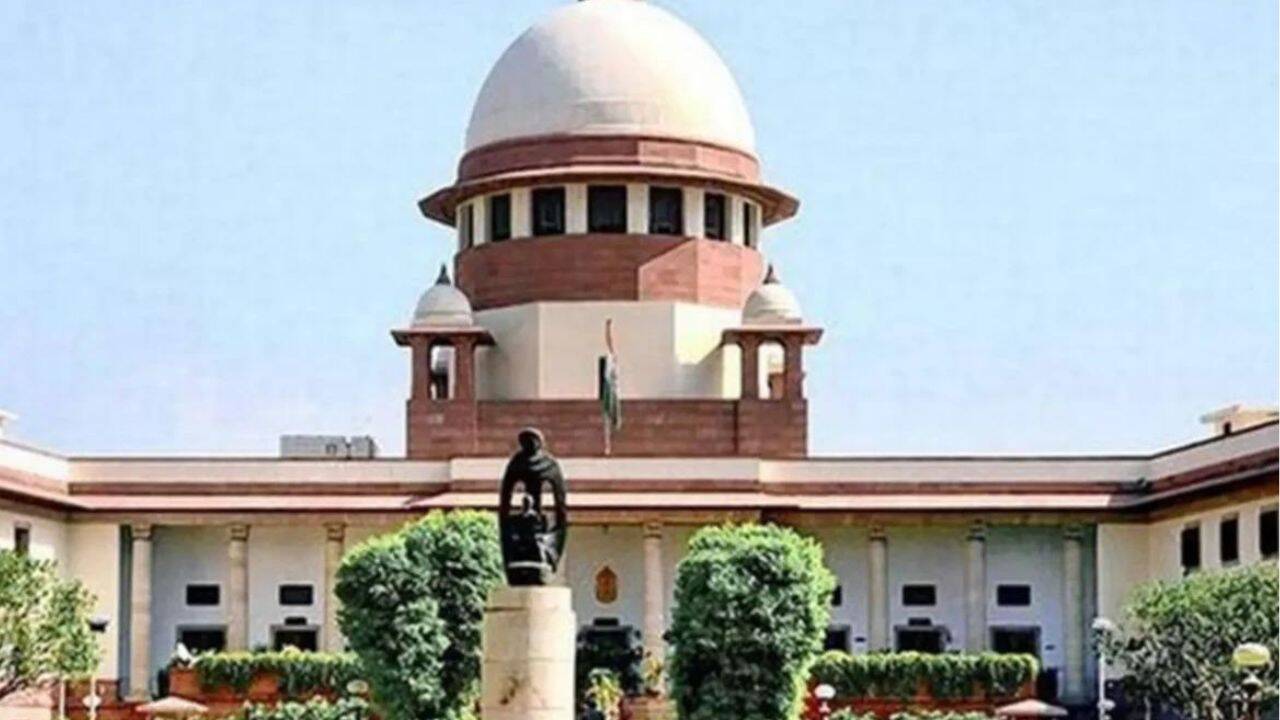
TL;DR Summary
- The Supreme Court of India has granted bail to two individuals, Mohammad Irfan and Mohammad Farooq, alleged to be operatives of the proscribed Indian Mujahideen (IM).
- This decision comes after both individuals spent twelve years in custody without their trials concluding, facing stringent charges under the Unlawful Activities (Prevention) Act (UAPA).
- The Court’s ruling underscores the fundamental right to a speedy trial and highlights concerns regarding prolonged pre-trial detention, even in cases involving serious national security allegations.
In-Depth Report
Supreme Court Intervenes in Prolonged Custody Case
In a significant ruling, the Supreme Court of India on Tuesday granted bail to two alleged members of the Indian Mujahideen (IM), Mohammad Irfan and Mohammad Farooq, who have been incarcerated for over twelve years without the completion of their trial. The division bench, comprising Justice B.R. Gavai and Justice Sandeep Mehta, took into consideration the exceptionally long duration of their custody and the lack of substantial progress in the legal proceedings against them. This decision marks a pivotal moment, emphasizing the judiciary’s role in upholding fundamental rights, particularly the right to a speedy trial, even in cases concerning national security.
Grounds for Bail: Prolonged Detention and Article 21
The Court’s decision was primarily predicated on the argument that the prolonged pre-trial detention of the accused violated their fundamental right to personal liberty under Article 21 of the Constitution. Despite the severe charges brought against them under the Unlawful Activities (Prevention) Act (UAPA), which typically entails stringent bail conditions, the Supreme Court found the twelve-year period of incarceration without conviction to be an unacceptable delay. The defence counsel had vigorously argued that such an extensive period behind bars, without the prospect of an imminent trial conclusion, amounted to a deprivation of justice.
Conditions for Release
While granting bail, the Supreme Court imposed specific conditions on Mohammad Irfan and Mohammad Farooq to ensure their compliance with judicial process and to mitigate any perceived risks. These conditions reportedly include furnishing a personal bond and sureties, regular reporting to the local police station, and prohibitions on leaving the jurisdiction without prior court permission. The detailed order is expected to outline further stipulations aimed at balancing the rights of the accused with the ongoing investigative and prosecutorial imperatives.
Implications for UAPA Cases
This ruling by the apex court is poised to have substantial ramifications for other cases prosecuted under the UAPA, particularly those involving lengthy pre-trial detentions. It sends a clear signal that while the UAPA is a potent tool for combating terrorism, its application must not lead to an indefinite curtailment of liberty without the due process of a timely trial. The judgment reaffirms that the inability of the state to expedite trials, even in complex terror-related matters, cannot indefinitely override an individual’s constitutional rights.
Background & Context
The Indian Mujahideen and Accusations
Mohammad Irfan and Mohammad Farooq were arrested approximately twelve years ago in connection with their alleged association with the Indian Mujahideen (IM), a proscribed terrorist organization accused of carrying out several bomb blasts and acts of terror across India. They were reportedly implicated in a larger conspiracy related to the group’s activities, facing charges that included criminal conspiracy, waging war against the state, and various sections under the UAPA. The UAPA is an anti-terrorism law that grants significant powers to law enforcement agencies and imposes stringent conditions for bail, making it challenging for accused individuals to secure release.
The Protracted Legal Journey
Following their arrests, Irfan and Farooq, like many others accused under the UAPA, entered a protracted legal battle marked by extensive delays. The complexities of terror-related investigations, involving multiple agencies, vast amounts of evidence, and numerous witnesses, often contribute to lengthy trial durations. In their specific case, despite the passage of over a decade, the trial had evidently not reached a conclusive stage, prompting the accused to seek intervention from the higher judiciary on grounds of fundamental rights violations.
Challenges of UAPA and Speedy Trial
The UAPA has been a subject of considerable debate, particularly concerning its provisions related to bail and detention. While proponents argue its necessity in safeguarding national security, critics highlight its potential for misuse and its impact on civil liberties due to the high bar for bail and the long periods of incarceration it can facilitate. The Supreme Court’s pronouncements over the years have consistently emphasized the right to a speedy trial as an integral part of Article 21, even while acknowledging the unique challenges posed by terrorism-related offenses. This recent decision aligns with the judiciary’s evolving stance on balancing these critical aspects of law and justice.
Why It Matters (Impact Analysis)
Reinforcing Constitutional Safeguards
This Supreme Court decision is significant as it unequivocally reinforces the constitutional right to a speedy trial, a cornerstone of India’s justice system. It sends a powerful message that even in cases involving grave allegations of terrorism, the state’s inability to conclude trials within a reasonable timeframe cannot justify indefinite detention. This precedent could serve as a crucial check on the arbitrary exercise of power and ensure that fundamental liberties are not unduly curtailed under the guise of national security.
Implications for the UAPA and Judicial Process
The ruling will inevitably reignite discussions surrounding the Unlawful Activities (Prevention) Act (UAPA) and its implementation. While the UAPA is intended to combat terrorism effectively, the protracted nature of trials under its purview often leads to accusations of “punishment before conviction.” This judgment may encourage courts to scrutinize the pace of UAPA trials more closely and could pave the way for other undertrials, similarly trapped in long-pending cases, to seek relief. It highlights the imperative for judicial reforms aimed at accelerating the dispensation of justice, particularly in sensitive and complex matters.
Public Perception and Balancing Act
From a public perspective, the case underscores the delicate balance between national security concerns and individual human rights. While the public generally expects swift justice for alleged terror operatives, the principle that every individual is innocent until proven guilty, and has a right to a timely trial, is equally vital for a democratic society. This decision may draw varied reactions, with some emphasizing the importance of rule of law, and others raising questions about national security implications. It ultimately fuels a critical dialogue on how India’s legal framework navigates these competing yet essential demands.
Key Takeaways
- The Supreme Court’s decision critically reaffirms the constitutional right to a speedy trial, asserting that prolonged pre-trial detention, even in serious terror-related cases, constitutes a violation of Article 21.
- This ruling is likely to prompt a more rigorous judicial review of prolonged detentions under the UAPA, potentially encouraging faster trial proceedings and offering a pathway for other undertrials to seek bail on similar grounds.
🔥 Recent Breaking News
- "SC Asked Me To Face Bullets": Mahua Moitra Allege... (Aug 15, 2026)
- मोइत्रांचा धक्कादायक दावा: 'SC ने गोळ्या झेलण्यास सा... (Aug 15, 2026)
- महूआ मोइत्रा: 'SC ने कहा गोलियों का सामना करो' - रात... (Aug 15, 2026)
- PoK Could Have Joined J&K If... Omar Abdullah's Claim! (Aug 15, 2026)
- "पाकव्याप्त काश्मीर भारतात असते तर...": उमर अब्दुल... (Aug 15, 2026)