CBI Probe in NEET-UG 2026 Case Uncovers Alleged Links to Paper Setters and Translators
TL;DR Summary
- The Central Bureau of Investigation (CBI) has reportedly identified a crucial link between the alleged NEET-UG examination leak and individuals involved in the question paper setting and translation process.
- Initial findings suggest that teachers entrusted with the sensitive task of creating and localizing the examination content are under scrutiny for potential complicity.
- This development significantly escalates concerns regarding the integrity and security protocols of national competitive examinations.
In-Depth Report
CBI Uncovers Insider Involvement in NEET-UG Leak
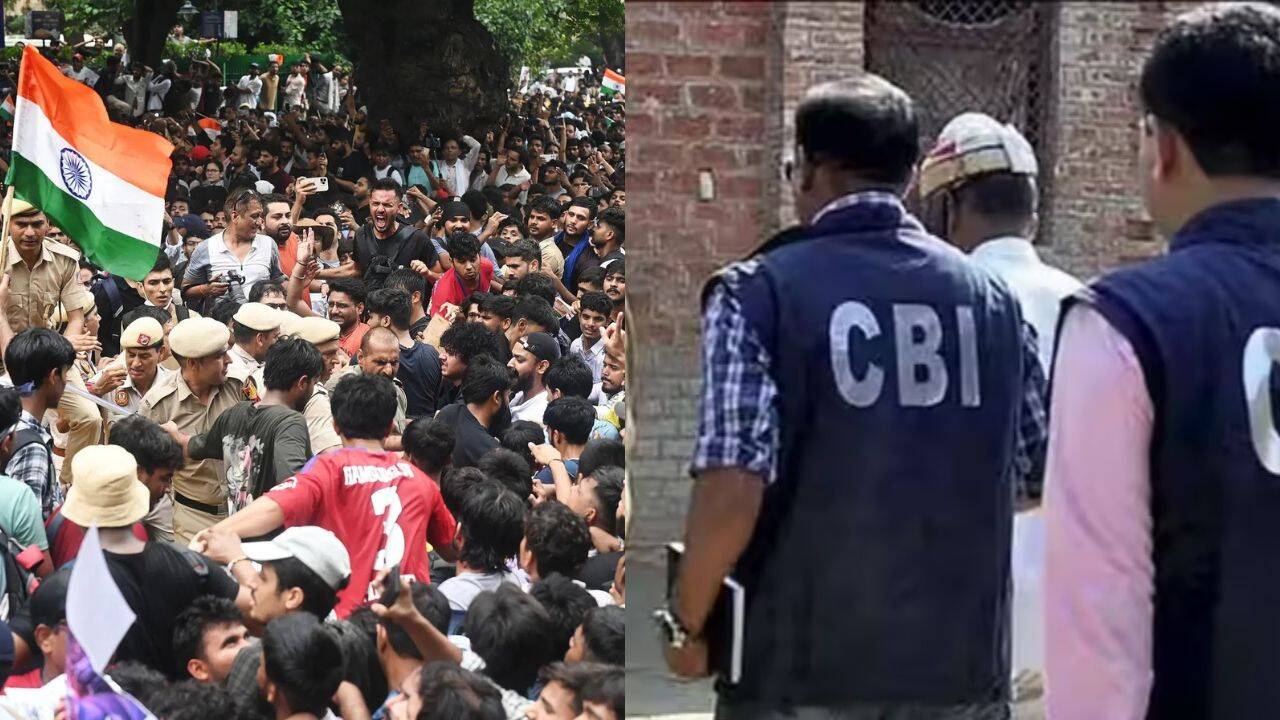
The ongoing Central Bureau of Investigation (CBI) inquiry into the alleged irregularities surrounding the NEET-UG examination, designated as the “NEET-UG 2026 case” in official records, has reportedly made a significant breakthrough. According to preliminary information emerging from the investigation, the CBI has established alleged links between the examination leak and specific teachers who were involved in the critical stages of question paper setting and translation. This revelation points towards a potential breach originating from within the trusted circle responsible for safeguarding the sanctity of the examination content.
Allegations Point to Breach of Trust
Sources close to the investigation indicate that the CBI is meticulously examining the roles of these individuals, exploring how access to the highly confidential question papers could have been compromised at such a nascent stage. The process of paper setting and translation is entrusted to a select group of academicians and experts under strict confidentiality agreements. The alleged involvement of these individuals raises profound questions about the vetting processes, security protocols, and ethical conduct expected from those at the core of national examination preparation.
Escalating Investigation and Potential Arrests
The CBI’s probe has expanded significantly, with teams actively pursuing leads across multiple states. Forensic analysis of digital footprints, financial transactions, and communication records of the implicated individuals is reportedly underway. While specific details remain under wraps due to the sensitive nature of the ongoing investigation, the agency is expected to broaden its questioning and potentially make further arrests as more evidence solidifies. This phase of the investigation underscores the CBI’s commitment to unearthing the full extent of the conspiracy and bringing all involved parties to justice.
Broader Implications for Examination Bodies
This development places immense pressure on the National Testing Agency (NTA) and other examination bodies to review and fortify their internal security mechanisms. The alleged insider involvement suggests a systemic vulnerability that could undermine public trust in the impartiality and fairness of high-stakes examinations. Authorities are urged to consider stricter background checks, enhanced surveillance during the paper preparation phase, and more robust accountability frameworks for all personnel with access to confidential examination materials.
Background & Context
NEET-UG: A Gateway to Medical Professions
The National Eligibility cum Entrance Test (NEET-UG) stands as the single largest medical entrance examination in India, serving as the gateway for aspiring students to undergraduate medical and dental courses. Annually, millions of candidates appear for this examination, making its integrity paramount for the nation’s healthcare future. The rigorous nature of the test and the high competition for limited seats often make it a target for unscrupulous elements seeking to exploit desperate students.
History of Examination Irregularities
India has, unfortunately, witnessed several instances of alleged examination paper leaks and irregularities across various competitive tests in recent years. These incidents have ranged from local level recruitment exams to national entrance tests, consistently eroding public confidence and leading to widespread student protests. In response, government bodies and investigative agencies have often been tasked with probing these breaches, leading to arrests and, in some cases, re-conduct of examinations. The current NEET-UG 2026 case follows a pattern of such alleged compromises, albeit with the concerning new dimension of direct links to paper setters.
Genesis of the Current Investigation
The current investigation into the NEET-UG examination emanated from a series of complaints and public outcry regarding alleged discrepancies and reports of question paper leaks. Initial arrests by state police forces pointed towards an organized syndicate, prompting the central government to transfer the investigation to the CBI, recognizing the inter-state nature and gravity of the alleged conspiracy. The CBI’s mandate is to conduct a thorough and impartial inquiry to identify the masterminds and dismantle the entire network involved in compromising the examination.
Why It Matters (Impact Analysis)
Erosion of Trust and Student Morale
The alleged involvement of teachers in the NEET-UG paper leak strikes at the very foundation of trust in the education system. Students dedicate years to preparation, and news of such alleged breaches can be profoundly demoralizing, fostering a sense of unfairness and futility. It raises concerns about whether merit alone will determine their future, potentially leading to widespread disillusionment and protests that can disrupt academic calendars and social harmony.
Credibility Crisis for Examination Agencies
This development poses a significant credibility crisis for the National Testing Agency (NTA) and other bodies responsible for conducting national examinations. Their primary role is to ensure a fair and transparent examination process. If individuals directly involved in paper creation are implicated in leaks, it highlights severe systemic vulnerabilities that require immediate and comprehensive overhaul. Restoring public faith will necessitate not only swift justice but also demonstrably enhanced security protocols and accountability.
Imperative for Systemic Reforms
The alleged insider role in the NEET-UG case underscores an urgent need for systemic reforms across the entire spectrum of examination conduct. This includes re-evaluating the selection and vetting of individuals involved in sensitive stages like paper setting and translation, implementing advanced technological solutions for secure paper distribution, and establishing stronger legal frameworks with deterrent penalties for examination malpractices. Such reforms are crucial to safeguard the integrity of India’s competitive examination system and ensure a level playing field for all aspirants.
Key Takeaways
- The alleged link between the NEET-UG examination leak and individuals involved in paper setting and translation necessitates a fundamental re-evaluation of security protocols and ethical standards within examination bodies.
- This development mandates comprehensive systemic reforms, including stringent vetting processes and enhanced accountability for all personnel with access to confidential examination materials, to restore public trust in India’s competitive examination system.
🔥 Recent Breaking News
- "SC Asked Me To Face Bullets": Mahua Moitra Allege... (Aug 15, 2026)
- मोइत्रांचा धक्कादायक दावा: 'SC ने गोळ्या झेलण्यास सा... (Aug 15, 2026)
- महूआ मोइत्रा: 'SC ने कहा गोलियों का सामना करो' - रात... (Aug 15, 2026)
- PoK Could Have Joined J&K If... Omar Abdullah's Claim! (Aug 15, 2026)
- "पाकव्याप्त काश्मीर भारतात असते तर...": उमर अब्दुल... (Aug 15, 2026)