Manipur Erupts: 12 Hours of Mayhem Kills 9
TL;DR Summary
- Nine individuals were killed in intensified violence across Manipur’s hill districts over a 12-hour period.
- The fatalities and numerous injuries underscore a severe escalation in the ongoing ethnic conflict.
- Security forces have launched extensive operations to control the situation and apprehend those responsible.
In-Depth Report
Nine individuals were tragically killed and multiple others sustained injuries during a fresh outbreak of violence that engulfed several hill districts of Manipur over a 12-hour period. The rapid escalation of hostilities has plunged the region into further turmoil, drawing immediate and grave concern from authorities and civil society alike. The incidents, primarily concentrated in areas bordering different ethnic communities, occurred amidst persistent underlying tensions that have plagued the state for over a year.
The fatalities were reported from various locations, with specific incidents suggesting targeted attacks and retaliatory actions. While official statements are pending on the precise sequence of events, preliminary reports indicate the use of sophisticated weaponry, highlighting the organised nature of the violence. Houses were reportedly set ablaze, and villages deserted as residents fled to safer zones, fearing for their lives and property.
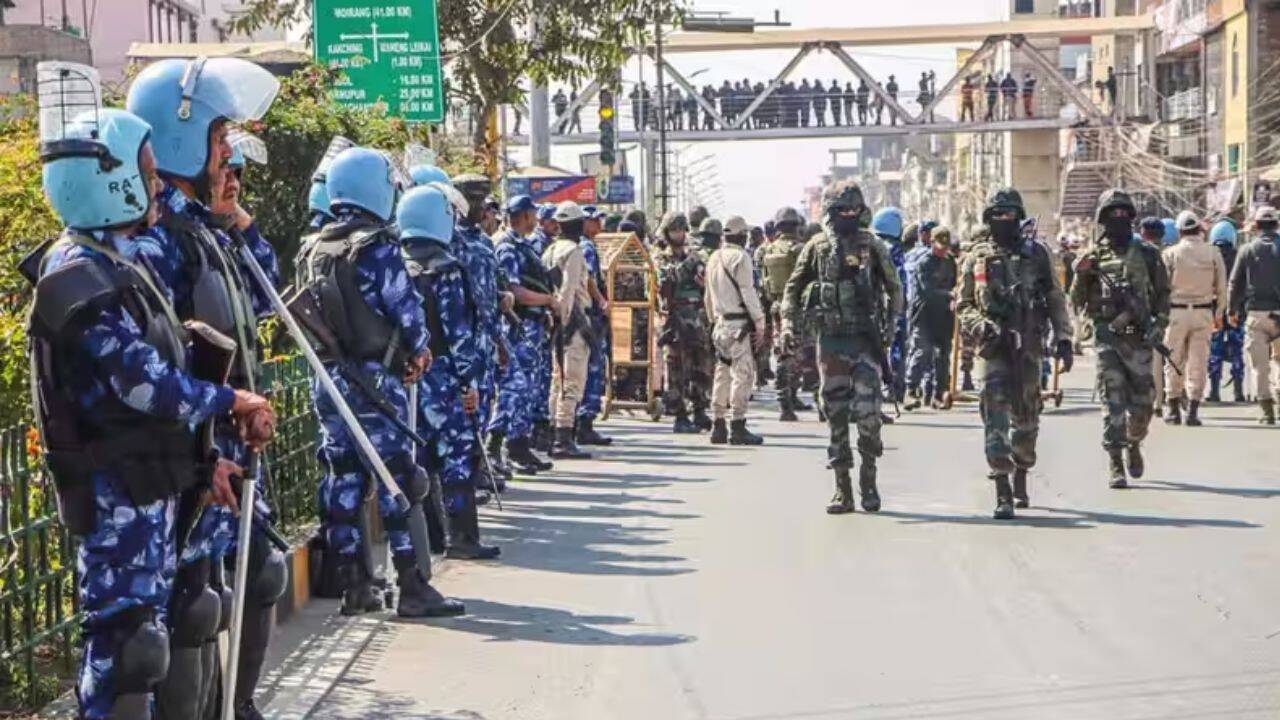
Security forces, including units of the Indian Army and paramilitary contingents, were immediately deployed in strength to the affected areas. Operations are underway to neutralise armed groups, recover weapons, and restore order. Curfews have been reimposed in several sensitive localities, and internet services may face further restrictions as a precautionary measure to prevent the spread of misinformation and incitement. The swift response aims to contain the geographical spread of the violence and prevent further loss of life.
The latest wave of violence underscores the fragile peace in Manipur and presents a significant challenge to the state administration and central government’s efforts to broker a lasting resolution. The sheer intensity and widespread nature of the attacks within such a short timeframe signal a dangerous turn in the protracted conflict, demanding immediate and robust intervention to de-escalate the crisis and protect civilian populations caught in the crossfire.
Background & Context
Manipur has been grappling with intense ethnic strife since May 2023, primarily between the majority Meitei community, residing predominantly in the Imphal Valley, and the Kuki-Zo tribes, who are largely settled in the surrounding hill districts. The conflict initially erupted over issues related to land, forest resources, and the Meitei community’s demand for Scheduled Tribe (ST) status, which the Kuki-Zo tribes fear would erode their land rights and political representation.
The protracted violence has resulted in over 200 deaths, displacement of tens of thousands, and widespread destruction of property. Despite numerous efforts by state and central governments, including the deployment of thousands of security personnel, peace committees, and relief measures, sporadic but often severe outbreaks of violence have continued. The geographical segregation of communities, coupled with a deep-seated mistrust and historical grievances, has made reconciliation a formidable challenge.
Previous attempts at dialogue and peace initiatives have often faltered, exacerbating the humanitarian crisis. The proliferation of illegal arms and the emergence of various armed groups further complicate the security landscape, making effective disarmament and de-escalation difficult. The recent 12-hour surge in violence represents a dangerous continuum of this deeply entrenched ethnic divide, indicating that underlying resentments remain potent and can be ignited with alarming speed.
Why It Matters (Impact Analysis)
The renewed violence in Manipur has severe ramifications for the social fabric, economic stability, and security paradigm of not only the state but also the broader North-Eastern region of India. Socially, the incidents deepen the communal chasm, making future reconciliation efforts even more challenging. The trauma experienced by displaced populations and those living under constant threat of violence will have long-term psychological effects, potentially leading to generational grievances.
Economically, the ongoing unrest disrupts daily life, trade, and development initiatives. Essential services, supply chains, and infrastructure projects are severely hampered, deterring investment and perpetuating poverty in an already underdeveloped region. The continuous deployment of security forces and the costs associated with relief and rehabilitation efforts also place a significant financial burden on the state exchequer, diverting resources from critical development sectors.
From a strategic perspective, continued instability in Manipur poses a national security concern. The North-East is a sensitive border region, and prolonged conflict can be exploited by inimical external forces, potentially destabilising the entire area. Furthermore, the inability to establish lasting peace undermines India’s ‘Act East’ policy, which relies on regional stability for enhanced connectivity and trade with Southeast Asian nations. The international community also observes the situation, with concerns about human rights and stability.
Key Takeaways
- The persistent violence highlights the urgent need for a multi-pronged strategy that addresses both immediate security concerns and long-term socio-political grievances in Manipur.
- Effective peace-building efforts must involve robust dialogue among all stakeholders, secure disarmament, and comprehensive rehabilitation for displaced communities to foster lasting reconciliation.
🔥 Recent Breaking News
- (Oct 11, 2026)
- (Oct 11, 2026)
- (Oct 11, 2026)
- Clampdown Foils Stir: Restrained, Detained, Contained (Oct 11, 2026)
- दडपशाहीने आंदोलन थांबले: हजारो घरात नजरकैदेत! (Oct 11, 2026)