'Talk without condition such as resignation': Govt to oppn leaders over NEET debate
Quick Summary
- The Indian government has offered to debate the contentious NEET examination issue in Parliament without preconditions, specifically rejecting calls for the Education Minister’s resignation.
- This offer comes amidst widespread protests and demands from opposition leaders for a thorough investigation into alleged irregularities, paper leaks, and grace marks in the NEET-UG 2024 results.
- Education Minister Dharmendra Pradhan reiterated the government’s commitment to transparency and securing the future of students, signaling readiness for a comprehensive discussion during the upcoming parliamentary session.
Detailed Analysis
Government Extends Unconditional Hand for NEET Debate
In a significant development concerning the ongoing controversy surrounding the National Eligibility cum Entrance Test (NEET-UG) 2024, the Indian government has expressed its willingness to hold a comprehensive debate in Parliament, but firmly rejected preconditions such as the resignation of Education Minister Dharmendra Pradhan. The move comes as the nation grapples with allegations of paper leaks, irregularities, and the granting of grace marks in the crucial medical entrance examination, which has left lakhs of students and parents anxious.
Speaking to the media, Minister Pradhan emphasized the government’s commitment to addressing all concerns related to NEET transparently. “We are ready to debate the NEET issue in Parliament without any condition such as a resignation,” Pradhan stated, responding to persistent demands from opposition parties. This stance underscores the government’s intention to engage with the opposition constructively, yet firmly defend its position and actions taken thus far.
The Genesis of the NEET Controversy
The NEET-UG 2024 examination, conducted by the National Testing Agency (NTA) on May 5, quickly plunged into controversy following the declaration of results on June 4, earlier than anticipated. The unprecedented number of candidates scoring perfect marks (67 students) and the awarding of grace marks to over 1,563 candidates fueled widespread suspicion. Allegations of paper leaks first surfaced in Bihar, with several arrests made, suggesting an organized racket. Subsequently, students and parents across the country raised concerns about the fairness and integrity of the examination process.
The Supreme Court, hearing multiple petitions, has acknowledged the seriousness of the allegations. While it initially allowed the counseling process to proceed, it also initiated proceedings against the NTA and the Union government, demanding accountability. The government, in response, has already cancelled the NEET-PG exam (postponed it as of now), the UGC-NET exam, and formed a high-level committee to review the NTA’s functioning and recommend reforms for a more robust and transparent examination system. It also moved to cancel the grace marks awarded to 1,563 students, offering them a re-test. Furthermore, the investigation into the alleged paper leak has been handed over to the Central Bureau of Investigation (CBI).
Opposition’s Stance and Demands
Opposition parties, led by the Congress, have seized upon the NEET controversy as a major point of contention against the Modi 3.0 government. They have been vocal in their criticism, demanding accountability from the NTA and the Education Ministry. Senior leaders, including Rahul Gandhi, Priyanka Gandhi Vadra, and Mallikarjun Kharge, have called for a Supreme Court-monitored investigation, the resignation of Minister Pradhan, and a complete re-evaluation of the NEET exam. They argue that the future of millions of aspiring doctors is at stake and that the government’s handling of the situation has eroded public trust in the examination system.
The opposition views the alleged irregularities as a symptom of broader mismanagement and lack of transparency within governmental bodies responsible for conducting national-level exams. They have pledged to raise the issue forcefully in the upcoming session of Parliament, aiming to hold the government answerable for the perceived lapses.
Government’s Defence and Way Forward
Despite the mounting pressure, the government has maintained that it is taking all necessary steps to ensure justice for the students. Minister Pradhan has consistently stated that no injustice will be tolerated and those found guilty will face strict action. The formation of the high-level committee under the chairmanship of former ISRO chief K. Radhakrishnan and the CBI probe are presented as concrete actions to address the root causes of the problem.
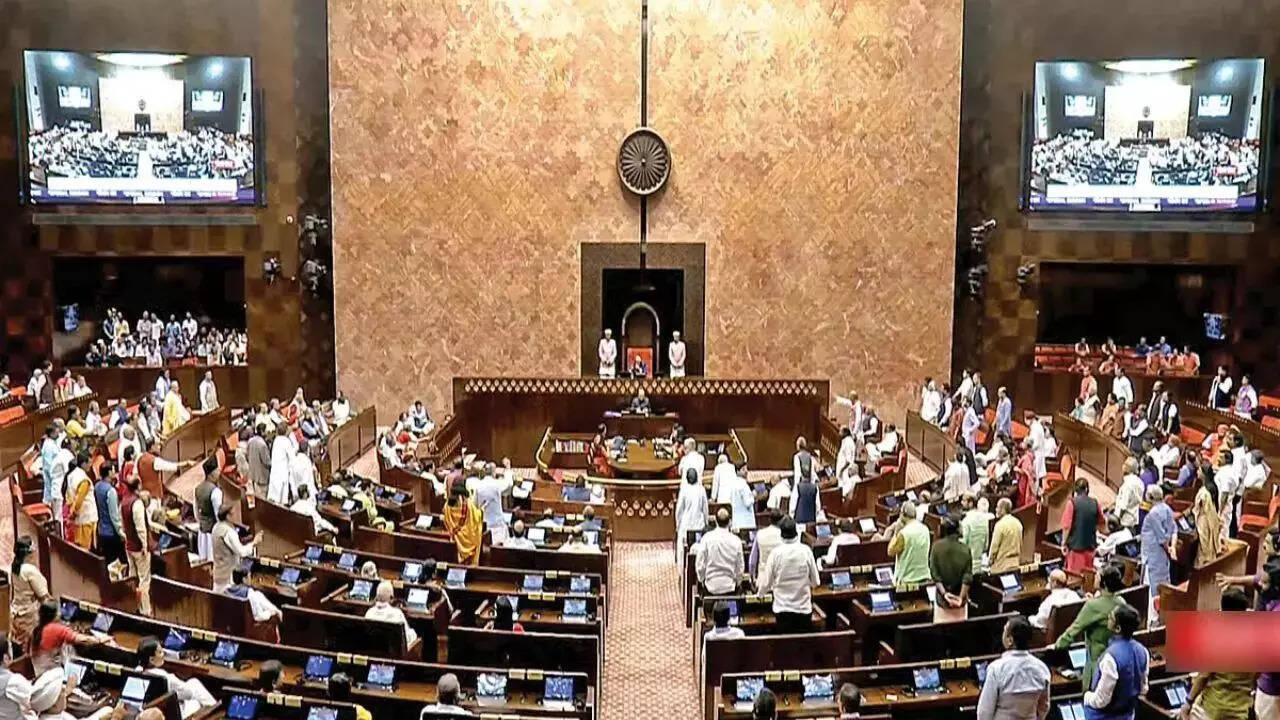
The government’s offer for an unconditional debate in Parliament suggests a strategy to address the issue head-on rather than appearing to evade scrutiny. It places the onus on the opposition to engage in a constructive discussion, rather than merely demanding resignations. The upcoming first session of the 18th Lok Sabha is expected to be tumultuous, with the NEET issue likely to dominate proceedings. Both sides are gearing up for a fierce political battle, with the government hoping to demonstrate its commitment to educational integrity and the opposition aiming to highlight administrative failures. The outcome of these parliamentary debates and the ongoing investigations will be crucial in restoring faith in India’s national examination system.
Key Takeaways
- The government’s offer for an unconditional parliamentary debate on NEET signals its readiness to confront the issue directly, shifting the focus from resignation demands to a comprehensive discussion on solutions and accountability.
- The resolution of the NEET controversy, including the outcomes of the CBI investigation and the high-level committee’s recommendations, will be pivotal in restoring public confidence in India’s examination bodies and potentially lead to significant reforms in the NTA’s functioning.