Protests Intensify Across Pakistan-Occupied Kashmir: Thousands March on Muzaffarabad Amidst Electoral Delays
TL;DR Summary
- Widespread protests have significantly intensified across Pakistan-Occupied Kashmir (PoK), culminating in a large-scale march towards its capital, Muzaffarabad.
- The demonstrations are primarily driven by grievances concerning high electricity tariffs, unjust taxation, and a lack of subsidized essential commodities like wheat flour.
- In response to the escalating unrest and security concerns, elections have been officially delayed in two key districts of the region.
In-Depth Report
Escalation of Demonstrations and March on Capital
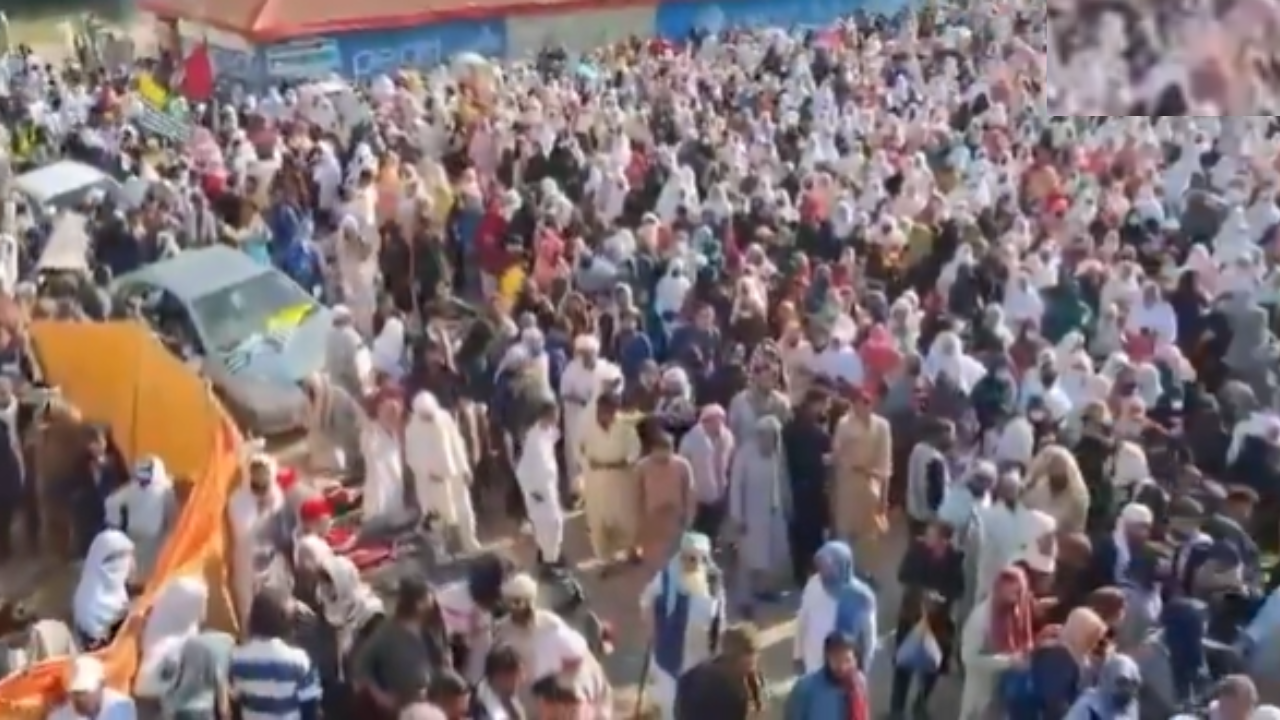
Pakistan-Occupied Kashmir (PoK) has been gripped by a wave of intensified protests over recent days, reaching a critical juncture as thousands of demonstrators commenced a prolonged march towards Muzaffarabad, the capital of the administratively controlled territory. The “Long March,” as it has been dubbed, saw participants from various districts converging, articulating a unified demand for substantive improvements in their living conditions and governance. These demonstrations have disrupted daily life and brought significant attention to the long-standing grievances of the local populace.
Core Grievances and Public Demands
The primary catalysts for the widespread unrest are economic hardships and perceived administrative injustices. Protesters are vociferously demanding a reduction in exorbitant electricity tariffs, which they argue are disproportionately high and unaffordable for the average citizen. Furthermore, calls for the abolition of various taxes deemed unfair and oppressive have resonated throughout the region. A central demand remains the provision of subsidized wheat flour, an essential staple commodity, which many claim has become prohibitively expensive and scarce. These demands underscore a deep-seated frustration with the current economic policies and their impact on household budgets.
Authorities’ Response and Electoral Postponement
In response to the escalating demonstrations, authorities in PoK have implemented measures to contain the unrest and maintain public order. Reports indicate a heightened security presence and disruptions to communication networks in affected areas. Concurrently, the regional election commission has announced the postponement of local body elections in two districts, a decision directly attributed to the prevailing security situation and the widespread public agitations. This delay signals a recognition by the administration of the severe challenges posed by the ongoing protests and their potential to disrupt democratic processes.
Regional Impact and Media Blackout Allegations
The protests have drawn considerable attention to the precarious socio-economic and political landscape of Pakistan-Occupied Kashmir. While local media outlets have reported on the intensity of the demonstrations, there have been allegations of a broader media blackout or restricted coverage, particularly concerning the extent of the protest movement and any instances of confrontational responses from authorities. The situation remains fluid, with ongoing tensions between the protesters and the administrative apparatus of the region.
Background & Context
The current wave of protests in Pakistan-Occupied Kashmir is not an isolated phenomenon but rather an intensification of simmering discontent that has characterized the region for decades. PoK, administered by Pakistan, has long experienced a complex and often contentious relationship with the central government in Islamabad. Critics contend that the region has been treated as a dependency rather than an autonomous entity, with its resources exploited for the benefit of other parts of Pakistan while local populations endure economic deprivation.
Historical grievances revolve around the perception of a lack of genuine self-governance and control over local resources, particularly hydroelectric power. Despite generating substantial electricity, residents often face high tariffs and erratic power supply, fueling resentment. Similar sentiments apply to other essential commodities, where prices are often perceived as inflated compared to other Pakistani provinces, without corresponding economic benefits for the local populace.
Previous smaller-scale protests and advocacy movements have frequently highlighted issues such as inadequate infrastructure, limited employment opportunities, and perceived political disenfranchisement. These long-standing concerns, exacerbated by recent economic pressures and inflationary trends, have now converged, providing the impetus for the current, more widespread and coordinated demonstrations that have garnered significant public participation.
Why It Matters (Impact Analysis)
The intensifying protests in Pakistan-Occupied Kashmir carry significant implications, both regionally and internationally. Firstly, they underscore a profound crisis of governance and legitimacy for the Pakistani administration in the territory. The scale and persistence of the demonstrations indicate a deep-seated dissatisfaction among the populace, which, if unaddressed, could further destabilize a region already fraught with geopolitical sensitivities. The delay in elections also highlights the severity of the challenge to administrative control.
Secondly, the unrest has humanitarian and economic ramifications for the residents of PoK. The demands for reduced electricity tariffs, subsidized food, and fair taxation are fundamental to improving the quality of life for thousands. Continued instability and disruptions, including potential communication blackouts, can impede economic activity, education, and access to essential services, exacerbating existing hardships and potentially leading to further emigration.
Finally, these developments inevitably draw international scrutiny and carry geopolitical weight, particularly given India’s historical claims over the entire region of Jammu and Kashmir. The internal unrest in PoK provides a narrative point for various stakeholders and could influence regional diplomatic efforts, human rights advocacy, and discussions surrounding the future status of the broader Kashmir region. The situation places increased pressure on Pakistan to address the grievances effectively and transparently, thereby affecting its international standing and internal stability.
Key Takeaways
- The widespread protests in PoK signify a critical challenge to Pakistan’s administrative authority and call for urgent economic and governance reforms.
- The outcome of these protests, particularly the authorities’ response, will have lasting implications for regional stability and the socio-economic future of Pakistan-Occupied Kashmir.