Delhi Police Report: 101 Murder Accused Among 989 Individuals with Prior Criminal Records in Parliament March Violence
TL;DR Summary
- The Delhi Police have disclosed that 989 individuals apprehended in connection with recent Parliament march violence possess prior criminal records.
- A significant revelation indicates that 101 of these individuals have previously been accused in murder cases.
- This development underscores the extensive criminal backgrounds of a notable proportion of those involved in the disturbances, prompting heightened security concerns.
In-Depth Report
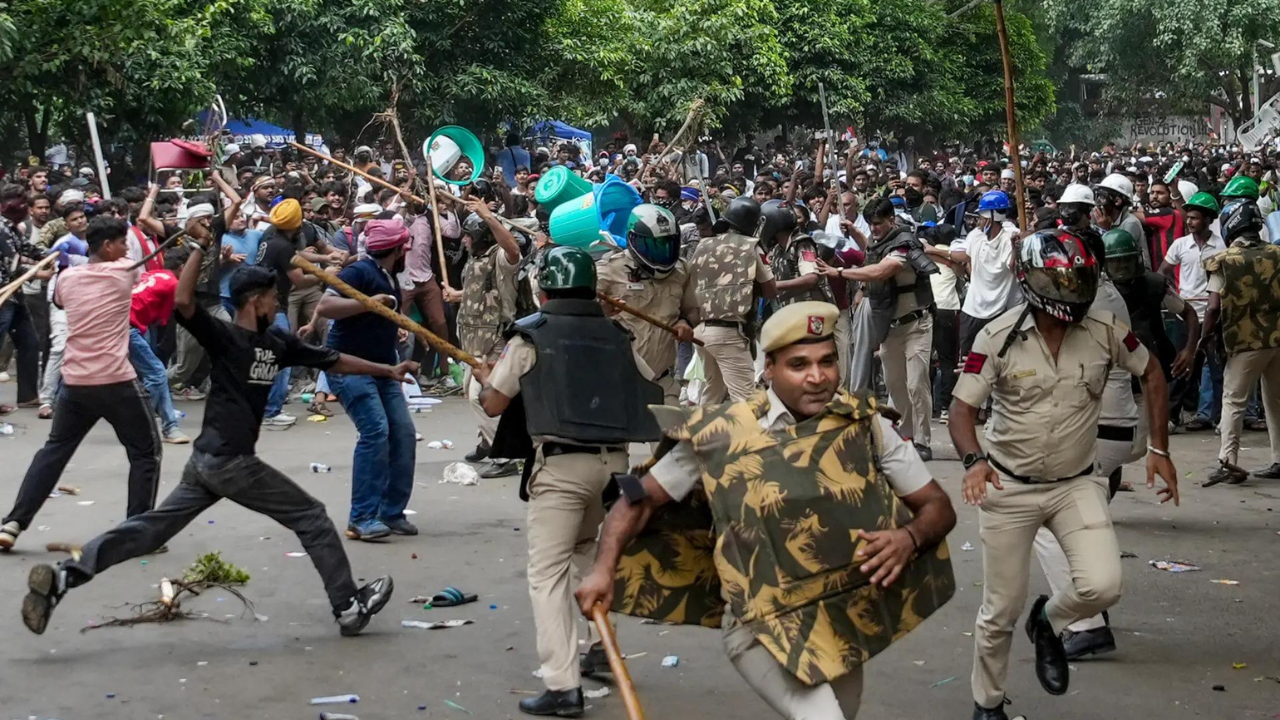
The Delhi Police have presented a significant update regarding the ongoing investigation into the recent violence that occurred during a march towards Parliament. Authorities revealed that a comprehensive review of the backgrounds of individuals apprehended in connection with the unrest indicates a concerning prevalence of prior criminal involvement. Of the total individuals identified, 989 have been found to possess existing criminal records, with a particularly alarming subset of 101 individuals previously accused of murder.
Unveiling Criminal Antecedents
This detailed disclosure follows an intensive investigative process by various units of the Delhi Police. The identification of individuals with such extensive criminal histories among those participating in the protest march raises critical questions regarding the nature of the gathering and the potential for premeditated disruption. Law enforcement officials have stated that the data was compiled through rigorous background checks and cross-referencing with existing criminal databases. The sheer number, particularly those linked to capital offenses, suggests a complex interplay of factors beyond a simple public demonstration.
Scope of the Investigation
The investigation encompasses a broad range of activities, including the collection of forensic evidence, analysis of surveillance footage, and interrogation of those arrested. Police sources indicate that the analysis of criminal records is a crucial component in understanding the motivations and potential organizational structures behind the violence. The findings will undoubtedly inform future strategies for managing large public gatherings and enhancing security protocols around critical governmental institutions.
Legal Ramifications
The individuals identified with criminal records are now facing intensified scrutiny, with their past offenses likely influencing the severity of the charges they face related to the Parliament march violence. Charges may range from unlawful assembly and obstruction of public servants to property damage and assault. The involvement of individuals accused of murder underscores the serious nature of the threat posed during the incident and will have significant legal ramifications as cases progress through the judicial system.
Background & Context
The march towards Parliament, which culminated in the aforementioned violence, was ostensibly organized to highlight various grievances. While the exact initiating factors and specific demands varied, such demonstrations near the seat of India’s legislative power are not uncommon. However, the scale of the subsequent confrontation and the extent of alleged lawlessness witnessed prompted a widespread police response and a thorough investigation into the participants.
Historically, protests in the National Capital Region, especially those targeting high-security zones like the Parliament complex, are met with stringent security arrangements. Delhi Police routinely deploy significant personnel and resources to manage crowds and ensure public order while respecting the right to peaceful protest. Incidents of violence during such demonstrations often lead to public debate regarding the balance between civil liberties and the imperative of maintaining law and order.
Previous instances of large-scale protests in Delhi have occasionally escalated into confrontations, leading to arrests and charges. These events have consistently highlighted the challenges faced by law enforcement in discerning genuine protestors from elements potentially seeking to exploit such gatherings for unlawful activities or to incite unrest. The current revelations from the Delhi Police further amplify these concerns, adding another layer of complexity to the discourse on protest management and public safety.
Why It Matters (Impact Analysis)
The revelation by the Delhi Police carries significant implications for public safety, law enforcement practices, and the democratic process. Firstly, it underscores a potential vulnerability in public demonstrations, where individuals with serious criminal backgrounds may infiltrate or instigate violence, thereby compromising the integrity and purpose of legitimate protests. This can erode public trust in peaceful assemblies and make it harder for genuine grievances to be heard without being overshadowed by criminal acts.
Secondly, for law enforcement agencies, these findings necessitate a re-evaluation of intelligence gathering and crowd management strategies. The presence of a substantial number of individuals with prior criminal records, including those with murder charges, suggests a need for enhanced vetting and predictive analytics when anticipating and policing large-scale demonstrations, particularly those approaching sensitive government buildings. This could lead to stricter guidelines for protest organization and participant accountability.
Finally, the incident has broader ramifications for national security and political stability. The Parliament complex represents the core of India’s democratic governance, and any security breach or significant disruption there is viewed with utmost seriousness. The involvement of individuals with such severe criminal histories in an event targeting this institution raises concerns about potential external influences or organized efforts to destabilize the political environment. It prompts a critical examination of the mechanisms in place to protect democratic institutions and uphold the rule of law.
Key Takeaways
- The significant presence of individuals with serious criminal records, including murder accusations, among those involved in the Parliament march violence highlights complex challenges in public order management.
- This situation necessitates a comprehensive review of intelligence protocols and security measures for future public gatherings, particularly those near sensitive governmental installations, to prevent similar occurrences and safeguard democratic processes.