Political Furore: Congress Leadership's 'Defender of Rapists' Allegation Against Union Minister Pralhad Joshi Met with Demand for Authentication
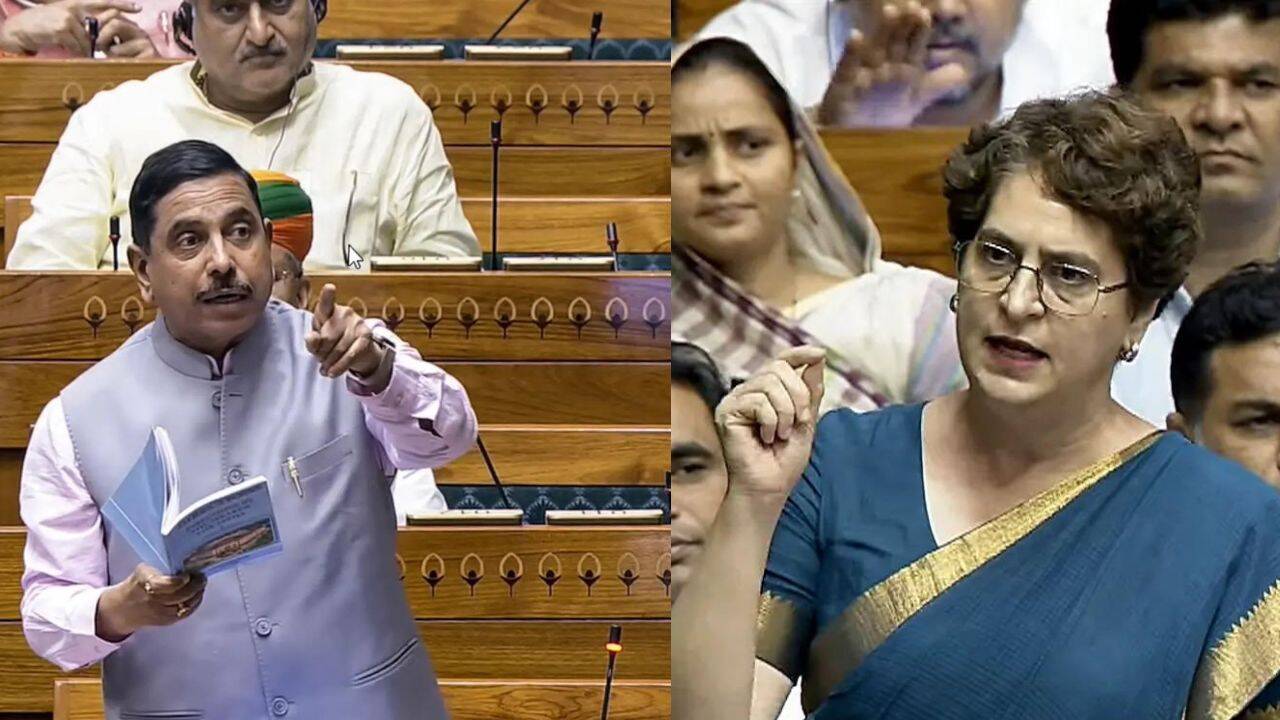
TL;DR Summary
- Senior Congress leaders have publicly accused Union Minister Pralhad Joshi of being a “defender of rapists.”
- Union Minister Pralhad Joshi has vehemently denied the allegations and issued a challenge for the accusers to authenticate their claims.
- The minister has indicated potential legal recourse, suggesting the dispute may escalate into a formal defamation proceeding.
In-Depth Report
The political landscape in India has been stirred by a recent and serious accusation leveled against Union Minister Pralhad Joshi. Senior leaders of the Indian National Congress, including prominent members of the Gandhi family, have publicly stated that Minister Joshi acts as a “defender of rapists.” This grave charge has ignited a sharp retort from the Union Minister, who has unequivocally rejected the allegations and challenged his accusers to provide substantiated proof.
The allegations were reportedly made during recent public gatherings and press interactions by Congress figures, suggesting a deliberate campaign to highlight this particular criticism against the Union Minister. While the specifics of the incidents or contexts to which these accusations refer remain largely unstated by the accusers, the phrase “defender of rapists” carries significant moral and legal weight within public discourse.
In response, Union Minister Pralhad Joshi, a key figure in the current government, issued a strong statement denying the charges. He termed the allegations baseless and demanded that those making them provide concrete evidence to authenticate their claims. Minister Joshi further warned of potential legal action, indicating that such unsubstantiated accusations could lead to defamation proceedings, signaling a hardening of his stance against what he perceives as a personal attack.
This escalating war of words underscores the intensely competitive and often confrontational nature of Indian politics, particularly between the ruling Bharatiya Janata Party (BJP) and the principal opposition, the Congress. Such direct and severe accusations against a Union Minister are uncommon and typically signify a significant downturn in political civility, often preceding more substantial political battles.
The ongoing exchanges are closely watched as they have the potential to set a precedent for the level of discourse permitted in electoral campaigns and public debates. Observers note that the demand for authentication by Minister Joshi puts the onus back on the Congress leaders to either substantiate their claims or face the consequences of potential legal challenges.
Background & Context
The current controversy emerges against a backdrop of heightened political tension and an increasingly aggressive rhetorical exchange between the Congress and the BJP. Both parties frequently engage in critical commentary regarding each other’s governance, policies, and the conduct of their respective leaders. Such allegations, while severe, are not entirely unprecedented in the charged atmosphere of Indian political campaigns, where character assassination can sometimes become a tactic.
Historically, accusations touching upon moral turpitude or criminal association are deployed to discredit political opponents, particularly during crucial electoral cycles or significant parliamentary sessions. While the specific genesis of the “defender of rapists” charge against Pralhad Joshi is not overtly detailed by the Congress, it appears to be a broader effort to frame certain government actions or positions in a negative light, particularly concerning issues of women’s safety and justice.
The Gandhi family, as prominent voices within the Congress, often leads such offensive strategies. Their direct involvement in leveling this particular charge signifies the party’s intent to elevate the issue and bring it to national attention, challenging the moral standing of a sitting Union Minister. This strategic move aims to put the government on the defensive, especially on sensitive social issues.
Why It Matters (Impact Analysis)
The ongoing dispute between Congress leaders and Union Minister Pralhad Joshi holds significant implications for the political landscape and public discourse in India. Firstly, such grave allegations, particularly those concerning issues like sexual assault and justice, resonate deeply with the public. They can significantly sway public opinion, potentially eroding trust in political figures and institutions if the accusations are perceived as credible or if the responses are deemed inadequate.
Secondly, the threat of legal action from Union Minister Joshi introduces a serious dimension to the political sparring. Should defamation proceedings commence, it would set a precedent regarding the permissible limits of political speech and criticism. Such legal battles often become protracted and expensive, consuming political capital and media attention, potentially distracting from more substantive policy debates.
Finally, this incident highlights the increasing polarization and declining standards of political debate in the country. The deployment of highly charged language and severe personal accusations risks normalising an adversarial political culture where dialogue is replaced by denunciation. This erosion of respectful discourse can make it challenging for political parties to find common ground or work collaboratively on critical national issues, ultimately impacting governance and public interest.
Key Takeaways
- The confrontation underscores the intensifying political rivalry, escalating the use of severe allegations in public discourse.
- Union Minister Pralhad Joshi’s demand for authentication and threat of legal action could lead to a significant defamation battle, shaping future limits of political criticism.