Parliamentary Lexicon Expands: Decoding Gen Z Expressions in Legislative Proceedings
TL;DR Summary
- Indian legislators have recently introduced contemporary youth vernacular, often associated with Gen Z, into parliamentary discussions.
- This linguistic shift includes terms such as ‘MIA’ (Missing In Action) and ‘kuchu puchu,’ marking a notable departure from traditional parliamentary language.
- The incorporation of such expressions prompts analysis into evolving political communication strategies and their implications for legislative decorum.
In-Depth Report
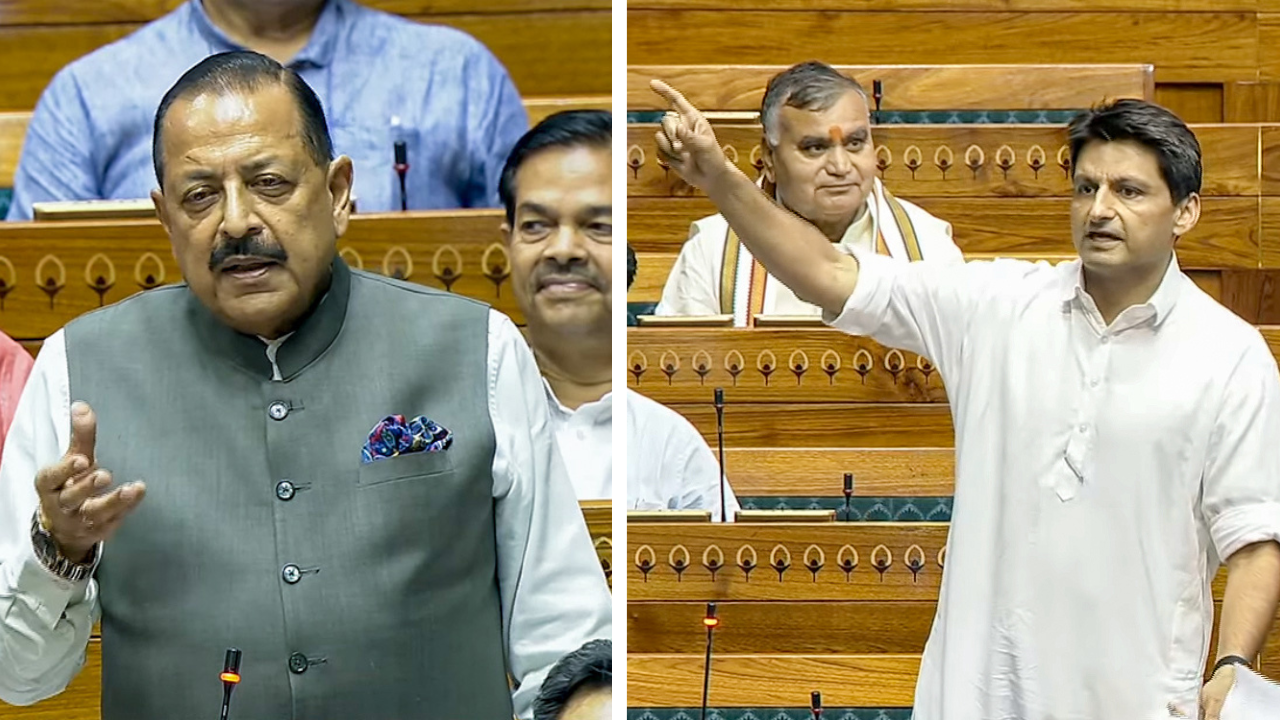
The venerable halls of the Indian Parliament, traditionally a bastion of formal discourse and refined rhetoric, have recently witnessed a subtle yet significant linguistic evolution. Members of Parliament (MPs) have begun to integrate contemporary youth vernacular, widely recognised as ‘Gen Z lingo,’ into their deliberations, signaling a potentially evolving approach to political communication. This trend has brought terms like ‘MIA’ and ‘kuchu puchu’ into the legislative lexicon, prompting observers to decode their intent and impact within the formal setting.
The acronym ‘MIA,’ an abbreviation for ‘Missing In Action’ and prevalent in modern digital communication to denote absence or lack of participation, was notably deployed by certain legislators to describe the perceived inactivity or absence of their political counterparts on specific issues. Similarly, the colloquial phrase ‘kuchu puchu,’ typically used to describe informal, endearing, or sometimes inconsequential chatter, found its way into parliamentary exchanges. Its usage served to characterise certain arguments or discussions as lacking substantive merit or being overly trivial, aiming to dismiss them with a touch of contemporary flair.
The strategic adoption of such terminology by MPs appears to stem from a multifaceted intent. On one hand, it could be perceived as a deliberate attempt to bridge the communication gap with a younger demographic, thereby enhancing relatability and engagement. By speaking a language familiar to Gen Z, legislators might aim to foster a stronger connection with first-time voters and youth who are increasingly active on digital platforms. On the other, it could also be a novel method to add rhetorical emphasis or inject a degree of informal critique into debates, challenging conventional formality with modern colloquialisms.
The reception within Parliament to these linguistic innovations has varied. While some instances have elicited amusement or a sense of contemporary relevance, others have potentially raised questions regarding the sanctity of parliamentary language and the maintenance of decorum. The judicious use of such terms remains a point of discussion among parliamentary veterans and political analysts, who weigh the benefits of increased relatability against the potential for dilution of formal legislative standards.
Background & Context
Historically, parliamentary discourse in India, much like in other mature democracies, has adhered to a stringent code of conduct and linguistic formality. Debates are characterised by precise articulation, adherence to procedural rules, and the use of language that reflects the gravity and solemnity of legislative duties. This tradition is rooted in the constitutional framework and the historical evolution of parliamentary practice, where words are chosen with meticulous care to convey policy, critique, and legislative intent without ambiguity or informality.
In recent decades, however, the political landscape has undergone significant transformation, largely influenced by the advent of digital media and the proliferation of social networking platforms. Politicians are increasingly engaging with the electorate through less formal channels, where brevity, directness, and contemporary appeal often take precedence. This shift has necessitated a re-evaluation of communication strategies, especially when targeting younger voters who are digitally native and accustomed to a different mode of interaction.
While occasional instances of informal language or witty remarks have always been a part of parliamentary exchanges, the deliberate incorporation of specific, generational slang marks a distinct trend. It suggests a more conscious effort to adapt political rhetoric to the prevailing cultural and linguistic currents, moving beyond traditional oratorical styles to embrace a more immediate and perhaps more accessible form of communication. This development positions itself within a broader global phenomenon where political figures worldwide are experimenting with diverse communication methods to resonate with an evolving electorate.
Why It Matters (Impact Analysis)
The judicious integration of Gen Z terminology into parliamentary proceedings carries significant implications for various stakeholders. For the public, particularly the younger demographic, this linguistic shift could foster a greater sense of connection and understanding with political processes. By employing familiar language, legislators might demystify parliamentary affairs, making them seem less remote and more relevant to everyday life. This could potentially enhance youth engagement in civic discourse and electoral participation, crucial for a vibrant democracy.
From a political strategy perspective, the adoption of contemporary slang represents a calculated risk and a potential advantage. It allows politicians to project an image of being modern, aware, and in touch with the pulse of society. This can be particularly beneficial in electoral campaigns, where relatability often translates into votes. However, there is also the risk of misinterpretation, alienating older generations who may not understand the references, or even appearing disingenuous if the usage is perceived as forced or superficial. The balance between authenticity and strategic communication becomes critical.
Furthermore, this trend impacts the very nature of legislative language and parliamentary tradition. While adaptability is essential for any institution to remain relevant, concerns may arise regarding the erosion of formal decorum and the potential for reduced gravitas in serious policy discussions. Maintaining a respectful and formal environment is often considered vital for the efficient and dignified functioning of Parliament. The ongoing evolution of parliamentary language necessitates careful consideration of how to blend contemporary communication effectively without compromising the foundational principles of legislative integrity and seriousness.
Key Takeaways
- The integration of Gen Z lingo reflects a broader trend in political communication aiming for enhanced youth engagement and relatability.
- This linguistic shift presents both opportunities for connecting with new demographics and challenges regarding the preservation of parliamentary formality and decorum.
🔥 Recent Breaking News
- "SC Asked Me To Face Bullets": Mahua Moitra Allege... (Aug 15, 2026)
- मोइत्रांचा धक्कादायक दावा: 'SC ने गोळ्या झेलण्यास सा... (Aug 15, 2026)
- महूआ मोइत्रा: 'SC ने कहा गोलियों का सामना करो' - रात... (Aug 15, 2026)
- PoK Could Have Joined J&K If... Omar Abdullah's Claim! (Aug 15, 2026)
- "पाकव्याप्त काश्मीर भारतात असते तर...": उमर अब्दुल... (Aug 15, 2026)