Centre Confirms Examination of Bangladesh's Request Concerning Sheikh Hasina
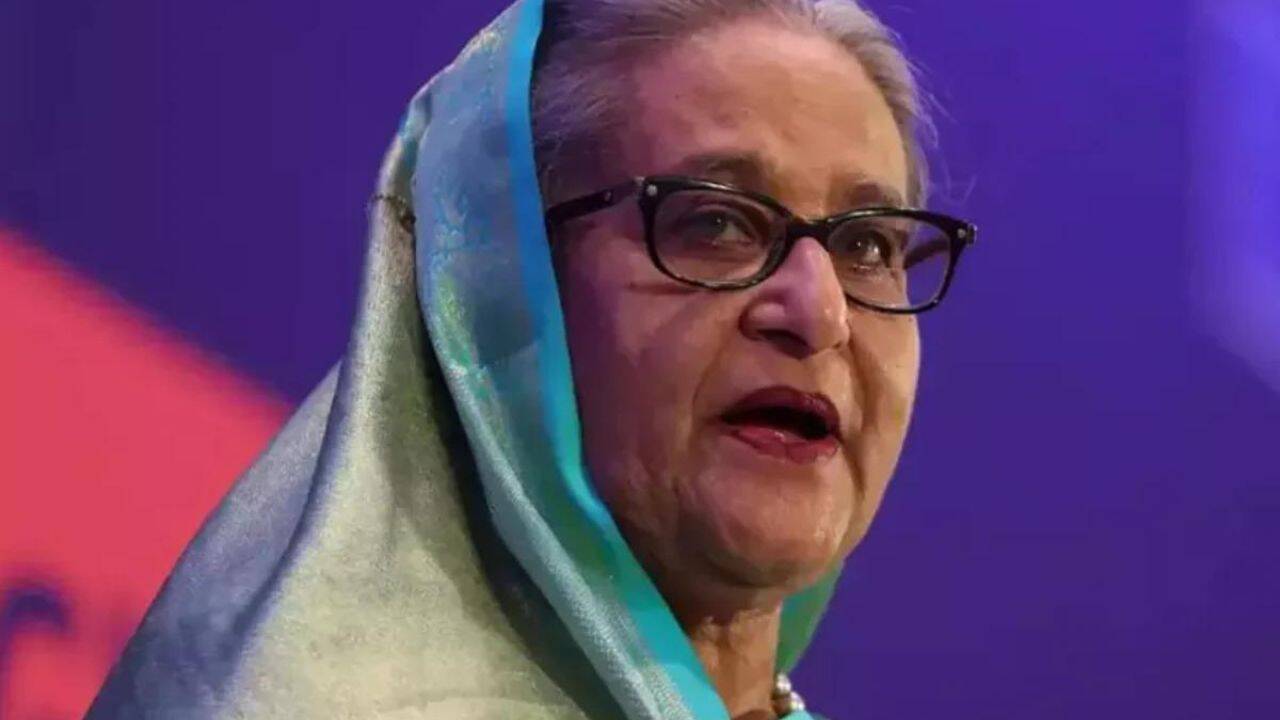
TL;DR Summary
- The Indian Centre has acknowledged that a request from Bangladesh, reportedly concerning Sheikh Hasina, is currently under official examination.
- The precise nature and specific grounds of this request remain undisclosed by official channels, adding to diplomatic sensitivities.
- This development initiates a complex legal and diplomatic process, with implications for India-Bangladesh bilateral relations.
In-Depth Report
Indian Centre Confirms Review of Request
New Delhi, India Daily Facts — The Government of India’s Centre has confirmed that it is actively examining a formal request received from Bangladesh. While official statements have been circumspect regarding the specific details, sources indicate the request pertains to a matter involving Sheikh Hasina. The confirmation by the Centre underscores the gravity of the situation, initiating a multifaceted review process that encompasses legal, diplomatic, and political considerations. The Ministry of External Affairs and relevant internal security agencies are understood to be involved in the preliminary assessment.
Procedural Scrutiny and Diplomatic Nuances
The examination of such a request involves a rigorous multi-agency approach. Typically, an extradition request would first be routed through diplomatic channels, specifically the Ministry of External Affairs, which then consults with the Ministry of Home Affairs and the Ministry of Law and Justice. Legal experts are tasked with assessing the request against existing bilateral extradition treaties and international law, ensuring compliance with due process and human rights standards. Given the stature of the individual reportedly involved, every aspect of this examination is expected to be conducted with utmost diligence and discretion, reflecting the profound implications for bilateral ties.
High-Level Engagement and Bilateral Sensitivity
This development introduces a unique layer of complexity into the otherwise robust and cordial relations between India and Bangladesh. Both nations share deep historical, cultural, and strategic ties, and any matter involving prominent political figures necessitates careful navigation. The Indian government’s statement of ‘examination’ indicates that a formal process has begun, but it also signals a cautious approach, acknowledging the high diplomatic stakes. Observers are keenly watching for further official pronouncements that might shed light on the specific context and alleged grounds of Bangladesh’s request.
Adherence to Legal Frameworks
India’s approach to extradition requests is governed by its Extradition Act of 1962 and various bilateral treaties. The legal framework requires prima facie evidence of an extraditable offence, ensuring that political motivations do not unduly influence the process. The Centre’s ongoing examination will meticulously assess whether the request meets these stringent legal thresholds, upholding India’s commitment to international legal norms and its sovereign responsibilities. The decision-making process is expected to be comprehensive, factoring in all relevant legal precedents and diplomatic considerations.
Background & Context
India and Bangladesh share a historically significant relationship, forged during Bangladesh’s War of Liberation in 1971. Over decades, this partnership has evolved into a strategic alliance characterized by extensive cooperation in trade, connectivity, security, and cultural exchange. High-level visits and regular bilateral dialogues have consistently reinforced the mutual commitment to peace, stability, and regional prosperity. India views Bangladesh as a vital partner in its ‘Neighbourhood First’ policy and Act East policy, making diplomatic sensitivity in all engagements paramount.
Sheikh Hasina, a towering figure in Bangladeshi politics, has played a pivotal role in shaping her country’s trajectory and fostering strong ties with India. Her family’s deep historical connection to Bangladesh’s founding, through her father Sheikh Mujibur Rahman, adds an indelible layer of political significance to any matter concerning her. The political landscape in Bangladesh has often been marked by periods of intense contestation, with various factions holding differing political ideologies and historical perspectives. This backdrop of dynamic political competition forms an important, albeit general, context for any developments involving prominent national figures.
Why It Matters (Impact Analysis)
Diplomatic Repercussions for India-Bangladesh Relations
The examination of such a request by the Indian Centre has significant implications for the delicate balance of India-Bangladesh diplomatic relations. Any decision, whether to proceed with the request or decline it, will be intensely scrutinized by both nations and the international community. India’s handling of this matter could either strengthen trust and adherence to legal protocols or introduce friction into a crucial bilateral partnership, potentially impacting ongoing strategic dialogues, trade agreements, and security cooperation initiatives.
Setting Legal and Political Precedents
Beyond the immediate diplomatic concerns, the outcome of this examination will set important legal and political precedents. India’s commitment to international extradition laws, its sovereign jurisdiction, and its responsibility to a key regional ally will all be under the microscope. The decision will influence future dealings with Bangladesh and potentially other nations regarding requests for individuals of high political significance, shaping the contours of regional international law and diplomatic practice.
Public and International Scrutiny
The topic is likely to attract considerable attention from domestic audiences in both India and Bangladesh, as well as international observers and human rights organizations. The transparency and fairness of the process will be closely watched. Public perception, especially in Bangladesh, could be significantly swayed by India’s stance, potentially influencing domestic political narratives and regional stability. The Centre’s ultimate decision will not merely be a legal judgment but a statement of its foreign policy and its commitment to upholding justice while navigating complex geopolitical realities.
Key Takeaways
- The Centre’s acknowledgment of examining a request concerning Sheikh Hasina signifies a highly sensitive diplomatic and legal challenge for India.
- The outcome will critically test the strength of India-Bangladesh bilateral relations and India’s adherence to international legal and diplomatic norms.
🔥 Recent Breaking News
- "SC Asked Me To Face Bullets": Mahua Moitra Allege... (Aug 15, 2026)
- मोइत्रांचा धक्कादायक दावा: 'SC ने गोळ्या झेलण्यास सा... (Aug 15, 2026)
- महूआ मोइत्रा: 'SC ने कहा गोलियों का सामना करो' - रात... (Aug 15, 2026)
- PoK Could Have Joined J&K If... Omar Abdullah's Claim! (Aug 15, 2026)
- "पाकव्याप्त काश्मीर भारतात असते तर...": उमर अब्दुल... (Aug 15, 2026)