Sonia's Launch: Gandhis on Love, Loss, Bad Chicken
TL;DR Summary
- Sonia Gandhi’s memoir launch became a platform for candid family reflections on personal experiences.
- Prominent members of the Gandhi family shared anecdotes concerning themes of affection, grief, and domestic life challenges.
- The event underscored the human dimension of public figures, offering rare insights into their private narratives.
In-Depth Report
Sonia Gandhi’s Memoir Launch Unveils Personal Narratives
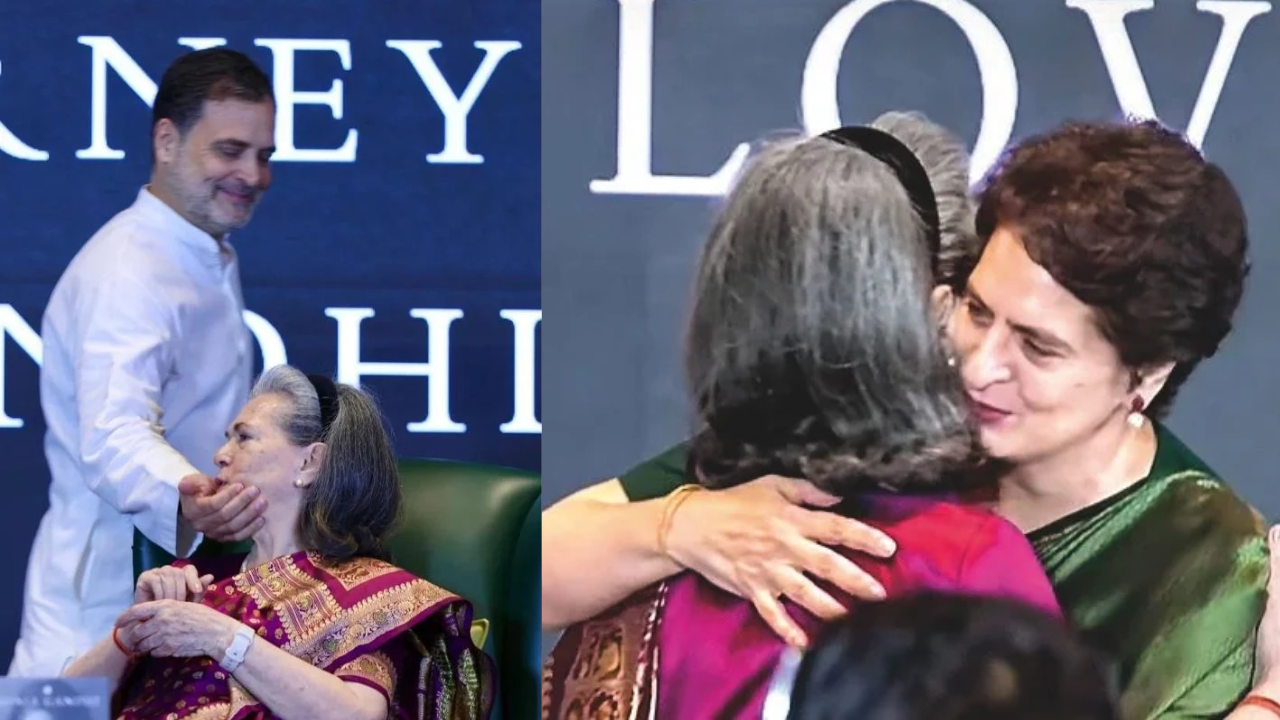
The recent launch of Sonia Gandhi’s highly anticipated memoir was marked by an unusually candid and emotional exchange among the Gandhi family members present. The event, held in New Delhi, transformed from a traditional book unveiling into a deeply personal reflection on their lives, attracting significant media attention and public interest. Distinguished guests from across the political spectrum and literary circles attended, witnessing a rare public display of vulnerability from one of India’s most prominent political families.
Family Members Share Intimate Anecdotes
During a panel discussion following the book’s release, various members of the Gandhi family, including Rahul and Priyanka Gandhi Vadra, offered insights into their shared experiences. Discussions gravitated towards themes of profound affection, enduring grief, and the lighter, often challenging, aspects of everyday domesticity. These personal disclosures provided a nuanced perspective on the private lives of individuals who have largely maintained a reserved public demeanor regarding their family dynamics.
Thematic Focus: Love, Loss, and Shared Experiences
The narrative threads woven through the evening primarily focused on the bonds of family love, particularly in the face of political pressures and personal tragedies. Speakers eloquently addressed instances of loss that have shaped their lives and perspectives. A particularly relatable moment arose when an anecdote, informally referred to as “bad chicken,” was shared, illustrating a humorous yet poignant challenge related to shared family meals. This seemingly trivial detail served to humanize the figures, resonating with the audience through its universal portrayal of domestic trials and shared laughter.
Broader Implications of Candid Disclosures
The event’s candid nature offered a unique glimpse into the human side of political leadership, contrasting sharply with the often rigid public personas. Such disclosures are often rare from high-profile political families in India, making this event particularly noteworthy. The openness displayed potentially fosters a deeper connection with the public, allowing for a more empathetic understanding of the personal sacrifices and challenges inherent in a life of public service.
Background & Context
The Gandhi family has historically maintained a meticulous balance between their public duties and private lives. While their political lineage is deeply entrenched in India’s post-independence history, personal revelations have traditionally been carefully managed. Sonia Gandhi, in particular, has been recognized for her reserved and dignified public persona, rarely divulging details of her personal journey beyond what is essential for political discourse.
This memoir, therefore, represents a significant departure, offering a comprehensive look into her personal reflections and experiences. Preceding this launch, public curiosity surrounding the internal dynamics and personal stories of the Gandhi family has always been substantial, fueled by their iconic status and the dramatic events that have shaped their lives. Previous biographical works or public statements have rarely delved into the minutiae of their daily lives or specific emotional tribulations with such directness.
The decision to share these intimate details at a public forum marks a potential shift in how the family engages with the public narrative surrounding their personal history. It provides a humanizing lens, potentially allowing the audience to connect with their experiences of love, loss, and even the mundane challenges of life, far removed from the political arena.
Why It Matters (Impact Analysis)
The candid discussions at Sonia Gandhi’s book launch carry significant implications for public perception and political discourse in India. By openly sharing anecdotes of love, loss, and even domestic mishaps, the Gandhi family has potentially humanized its image, making its members more relatable to the general populace. This can foster increased empathy and connection, potentially softening public criticisms often leveled against political dynasties.
From a broader societal perspective, such disclosures can influence how political leaders are perceived. They challenge the notion of politicians as monolithic, purely public figures, instead highlighting their shared human experiences. This shift could encourage a more nuanced understanding of leaders, acknowledging the personal sacrifices and emotional tolls associated with their roles. It also sets a precedent for other public figures to engage more authentically with their audiences, potentially leading to a more transparent and relatable political landscape.
Furthermore, these personal narratives, particularly those concerning loss and resilience, can resonate deeply with a nation that reveres stories of endurance and familial bonds. The shared vulnerabilities could strengthen the emotional fabric between the public and political leadership, potentially influencing voter sentiment and public trust in the long term.
Key Takeaways
- The memoir launch signifies a deliberate effort by the Gandhi family to humanize their public image through personal storytelling.
- Such candid revelations may redefine public engagement with political leaders, fostering greater empathy and challenging traditional perceptions of political figures.