Government of India Summons Meta's Global Leadership Over Allegations of Algorithmic Bias Affecting Prime Minister Modi's Social Media Content
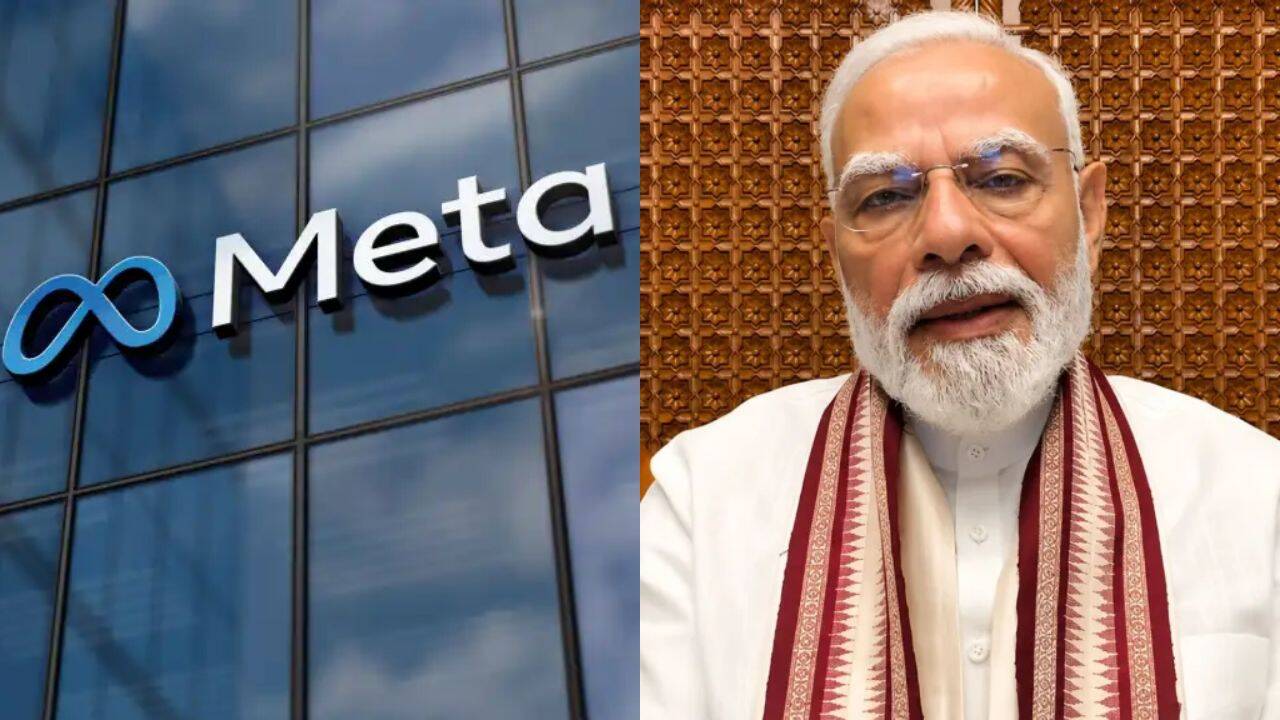
TL;DR Summary
- The Government of India has formally summoned Meta’s global team for a detailed explanation regarding alleged algorithmic bias.
- The summons follows concerns that content related to Prime Minister Narendra Modi experienced reduced visibility on Meta’s platforms.
- This incident underscores ongoing global discussions regarding the transparency and neutrality of social media algorithms and their impact on public discourse.
In-Depth Report
Government Demands Clarification from Meta
The Government of India, through the Ministry of Electronics and Information Technology (MeitY), has initiated a formal inquiry into alleged algorithmic bias on Meta’s social media platforms. The Ministry has issued a summons to Meta’s global team, requesting a comprehensive clarification regarding the purported reduction in organic reach and visibility of content pertaining to Prime Minister Narendra Modi. This move signals an escalated regulatory scrutiny over the operational methodologies of major technology corporations within India’s digital landscape.
Allegations of Undue Influence on Content Visibility
Sources familiar with the matter indicate that the government’s concern stems from observations suggesting a disproportionate impact on the dissemination of specific political content. The allegations imply that Meta’s proprietary algorithms may have inadvertently, or otherwise, suppressed the reach of posts related to the Prime Minister, thereby potentially influencing public engagement and perception. The Indian government maintains that social media platforms operating within its jurisdiction must uphold principles of neutrality and transparency, ensuring equitable visibility for all legitimate content.
Meta’s Mandate for Explanation and Remedial Actions
The summoned Meta representatives are expected to provide a detailed explanation of their algorithmic processes, content promotion mechanisms, and any factors that could lead to differential treatment of political content. The government’s expectation extends beyond a mere explanation, demanding a commitment to implement necessary corrective measures to prevent any recurrence of such alleged biases. This development places significant pressure on Meta to demonstrate the impartiality and robustness of its algorithmic architecture.
Broader Implications for Platform Governance
This governmental intervention is not an isolated incident but rather indicative of a broader global trend where sovereign nations are increasingly asserting control over the operational policies of tech giants. India, with its vast digital user base, is particularly keen on ensuring that platforms comply with local laws and ethical standards, especially concerning political discourse and national figures. The outcome of these discussions is poised to set a precedent for future interactions between the Indian government and global social media entities.
Background & Context
India’s Growing Scrutiny of Digital Platforms
India has emerged as one of the largest and most critical markets for global technology companies, including Meta, which operates Facebook, Instagram, and WhatsApp. Over the past few years, the Indian government has intensified its scrutiny of these platforms, primarily driven by concerns around misinformation, data privacy, and content moderation. The introduction of the Information Technology (Intermediary Guidelines and Digital Media Ethics Code) Rules, 2021, underscored India’s intent to establish a robust regulatory framework for digital entities.
Global Debate on Algorithmic Transparency
The present summons is situated within a broader international discourse concerning algorithmic transparency and the potential for bias in content dissemination. Governments worldwide are grappling with the complex challenges posed by opaque algorithms that dictate what billions of users see, read, and interact with online. Concerns about algorithms inadvertently promoting certain narratives or suppressing others, particularly in political contexts, have been raised by regulators and civil society groups across continents.
Precedent of Government-Platform Engagements
This is not the first instance where the Indian government has engaged directly with social media companies over content-related matters. Previous interactions have involved requests for content takedowns, user data, and discussions surrounding platform accountability during periods of civil unrest or misinformation campaigns. The current focus on “algorithmic bias” represents an evolution in the government’s approach, moving beyond specific content pieces to the underlying systemic mechanisms that govern content visibility.
Why It Matters (Impact Analysis)
Enhanced Regulatory Landscape for Tech Giants
This summons signifies a pivotal moment in India’s regulatory stance towards global technology companies. Should the government find Meta’s explanations unsatisfactory, it could lead to more stringent regulations concerning algorithmic transparency, mandating regular audits or public disclosures of how content is ranked and distributed. This would significantly alter the operational freedom currently enjoyed by these platforms within one of their most crucial markets.
Influence on Public Discourse and Political Communication
The alleged algorithmic bias, if substantiated, has profound implications for public discourse and political communication in India. Social media platforms are integral to modern political campaigns and public engagement. Any perception of bias can erode trust in these platforms as neutral arbiters of information, potentially impacting election outcomes and shaping public opinion. It underscores the critical need for platforms to ensure equitable access and visibility for diverse voices and political narratives.
Setting a Global Precedent
India’s assertive stance could serve as a model for other nations seeking greater accountability from social media giants. As a major global player with significant digital influence, India’s actions could catalyze a broader international movement towards mandating algorithmic transparency and preventing undue influence on political content. This engagement has the potential to reshape how technology companies design and deploy their algorithms globally, balancing innovation with ethical and neutral content delivery.
Key Takeaways
- This incident signals an escalating demand for algorithmic transparency and accountability from global technology platforms by sovereign governments, particularly in significant markets.
- The outcome of these discussions will likely shape future digital governance frameworks and regulatory approaches towards social media content dissemination, impacting both political discourse and platform operations.
🔥 Recent Breaking News
- "SC Asked Me To Face Bullets": Mahua Moitra Allege... (Aug 15, 2026)
- मोइत्रांचा धक्कादायक दावा: 'SC ने गोळ्या झेलण्यास सा... (Aug 15, 2026)
- महूआ मोइत्रा: 'SC ने कहा गोलियों का सामना करो' - रात... (Aug 15, 2026)
- PoK Could Have Joined J&K If... Omar Abdullah's Claim! (Aug 15, 2026)
- "पाकव्याप्त काश्मीर भारतात असते तर...": उमर अब्दुल... (Aug 15, 2026)