United States Secures $58.6 Billion Patriot Missile Contract Amidst Global Strategic Demands and Inventory Replenishment Imperatives
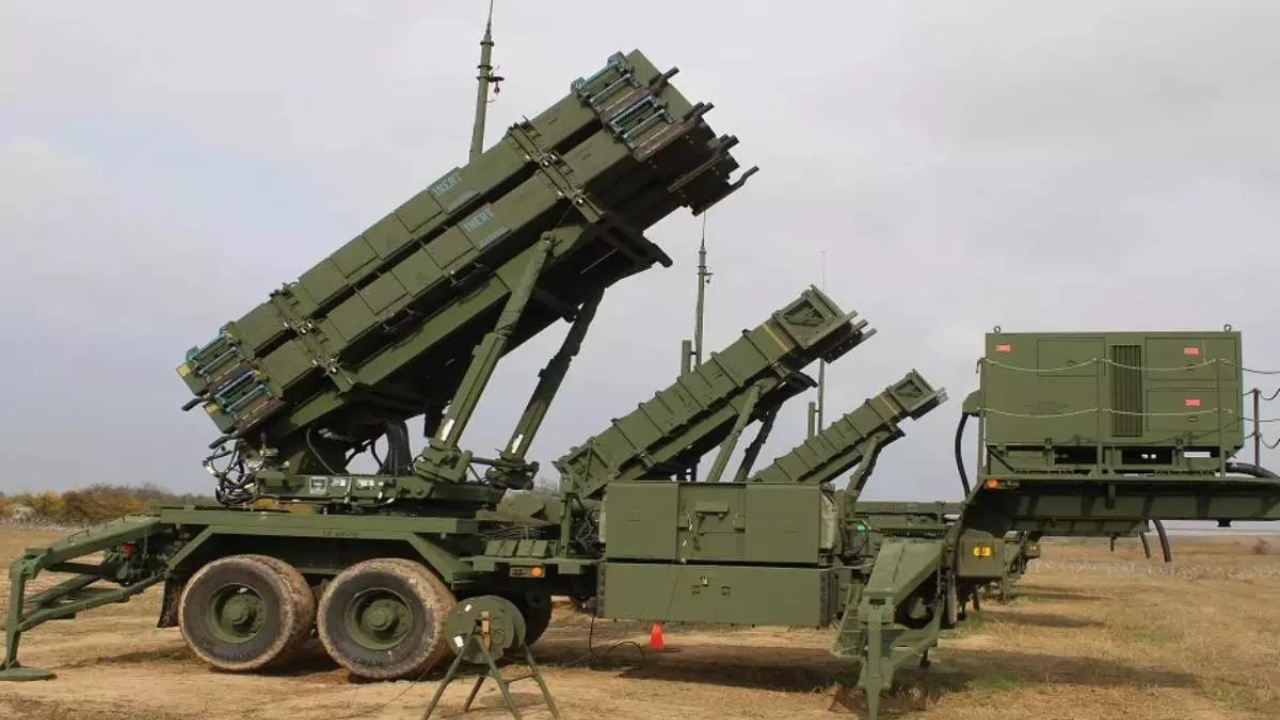
TL;DR Summary
- The United States has formally entered into a significant $58.6 billion agreement for the procurement of advanced Patriot missile systems.
- This substantial acquisition aims to address and replenish existing inventories of these critical air defense assets, which have reportedly diminished.
- The deal underscores a strategic imperative to enhance missile defense capabilities amidst heightened global geopolitical tensions and active operational deployments.
In-Depth Report
The United States Department of Defense has officially announced the finalization of a monumental $58.6 billion contract for the acquisition of Patriot Advanced Capability-3 (PAC-3) Missile Segment Enhancements (MSE) and related systems. This substantial investment underscores a concerted effort by the Pentagon to bolster its air defense capabilities and ensure robust national security readiness. The contract, spread over an unspecified period, is intended to facilitate the large-scale production and delivery of these sophisticated interceptor missiles.
The procurement comes at a time when global geopolitical landscapes are marked by significant volatility, leading to increased demand and deployment of advanced defensive weaponry. Reports indicate that existing stockpiles of Patriot missiles have experienced notable depletion due to extensive commitments to allied nations and their deployment in various operational theaters. This new agreement is thus a direct response to the strategic need for inventory replenishment and the maintenance of a strong defensive posture.
Manufacturers such as Lockheed Martin and Raytheon (now RTX Corporation) are anticipated to be key beneficiaries of this multi-billion dollar deal, responsible for the production of the PAC-3 MSE missiles and associated radar, control, and launch systems. The Patriot system remains a cornerstone of integrated air and missile defense for the US and its allies, capable of intercepting tactical ballistic missiles, cruise missiles, and advanced aircraft. The enhanced capabilities of the PAC-3 MSE variant offer improved agility and precision, critical for confronting contemporary aerial threats.
The scale of this contract reflects a long-term commitment to modernizing the US military’s air defense architecture. It also signals a broader strategic assessment that future conflicts and ongoing regional instabilities will necessitate a sustained and robust capacity for missile interception. The financial magnitude of the deal positions it as one of the largest defense contracts in recent memory, highlighting the strategic importance attributed to air and missile defense.
Strategic Imperatives Driving Acquisition
The decision to allocate such a substantial sum to Patriot missile procurement is rooted in evolving global security challenges. The system has proven instrumental in defending against diverse aerial threats in various international contexts. The observed depletion of inventories is directly linked to the United States’ commitment to supporting allies, alongside its own strategic deployments in regions experiencing heightened tensions, including areas impacted by Iran-linked activities and other geopolitical flashpoints.
Background & Context
The Patriot missile system, an acronym for “Phased Array Tracking Radar to Intercept on Target,” has been a critical component of US and allied air defense strategies since its initial deployment in the 1980s. Developed by Raytheon (now RTX) and Lockheed Martin, it gained prominence during the Gulf War, demonstrating its capability in missile interception. Over decades, the system has undergone multiple upgrades, with the PAC-3 MSE being its most advanced iteration, designed to counter a wider spectrum of advanced threats including stealth aircraft, drones, and more sophisticated ballistic and cruise missiles.
Recent years have witnessed an intensified demand for the Patriot system, particularly in regions experiencing escalating geopolitical pressures. The ongoing conflict in Eastern Europe and persistent instability in the Middle East have necessitated significant transfers of Patriot systems to key allies, alongside US deployments to safeguard strategic assets and personnel. These deployments and transfers, while crucial for regional stability and deterrence, have placed considerable strain on existing US inventories.
The context of this mega-deal is therefore inextricably linked to the current global security environment, characterized by an increase in missile proliferation and the use of advanced aerial weapons by both state and non-state actors. The United States, as a global security provider, is continually reassessing its defense industrial base and procurement strategies to ensure that its military and its allies possess the necessary resources to counteract emerging threats effectively. This contract represents a forward-looking approach to meet these challenges proactively.
Why It Matters (Impact Analysis)
This $58.6 billion Patriot missile contract carries profound implications across several domains, from geopolitical stability to economic impacts and military preparedness. Firstly, on a geopolitical level, it sends a strong signal of commitment from the United States to maintaining a robust defensive posture and supporting its allies. The replenishment of Patriot stocks can deter potential adversaries, assuring partners of reliable air defense capabilities, particularly in regions facing immediate threats.
Economically, the contract represents a substantial boost for the American defense industry, particularly for major contractors like RTX and Lockheed Martin. Such a massive procurement stimulates job creation, invests in research and development, and strengthens the defense industrial base. It also ensures long-term revenue streams for these corporations, potentially leading to further technological advancements and export opportunities for US-made defense systems.
Militarily, the deal is crucial for ensuring the United States’ ability to project power and protect its interests globally. With replenished and modernized Patriot missile inventories, the US military will possess enhanced capabilities to defend against a variety of sophisticated aerial threats, thereby reducing risks to deployed forces and critical infrastructure. This strategic enhancement is vital for maintaining a technological edge and operational flexibility in complex security environments, directly impacting global stability and the balance of power.
Key Takeaways
- This massive defense contract signifies the United States’ proactive strategy to address current and future air defense requirements, ensuring operational readiness and global security commitments.
- The substantial investment is expected to significantly bolster the US defense industrial base while providing advanced missile defense capabilities to counter evolving geopolitical threats.
🔥 Recent Breaking News
- "SC Asked Me To Face Bullets": Mahua Moitra Allege... (Aug 15, 2026)
- मोइत्रांचा धक्कादायक दावा: 'SC ने गोळ्या झेलण्यास सा... (Aug 15, 2026)
- महूआ मोइत्रा: 'SC ने कहा गोलियों का सामना करो' - रात... (Aug 15, 2026)
- PoK Could Have Joined J&K If... Omar Abdullah's Claim! (Aug 15, 2026)
- "पाकव्याप्त काश्मीर भारतात असते तर...": उमर अब्दुल... (Aug 15, 2026)