Former UK Home Secretary Priti Patel Alleges India Linked Migrant Returns to Nirav Modi Extradition
TL;DR Summary
- Former UK Home Secretary Priti Patel disclosed that India’s reluctance to accept illegal migrants was strategically connected to the UK’s non-extradition of businessman Nirav Modi.
- This revelation underscores the intricate diplomatic leverage mechanisms employed by nations in their international relations and legal cooperation frameworks.
- The statement highlights persistent challenges within bilateral discussions concerning immigration enforcement and the pursuit of justice between India and the United Kingdom.
In-Depth Report
Former UK Home Secretary’s Statement on Bilateral Strains
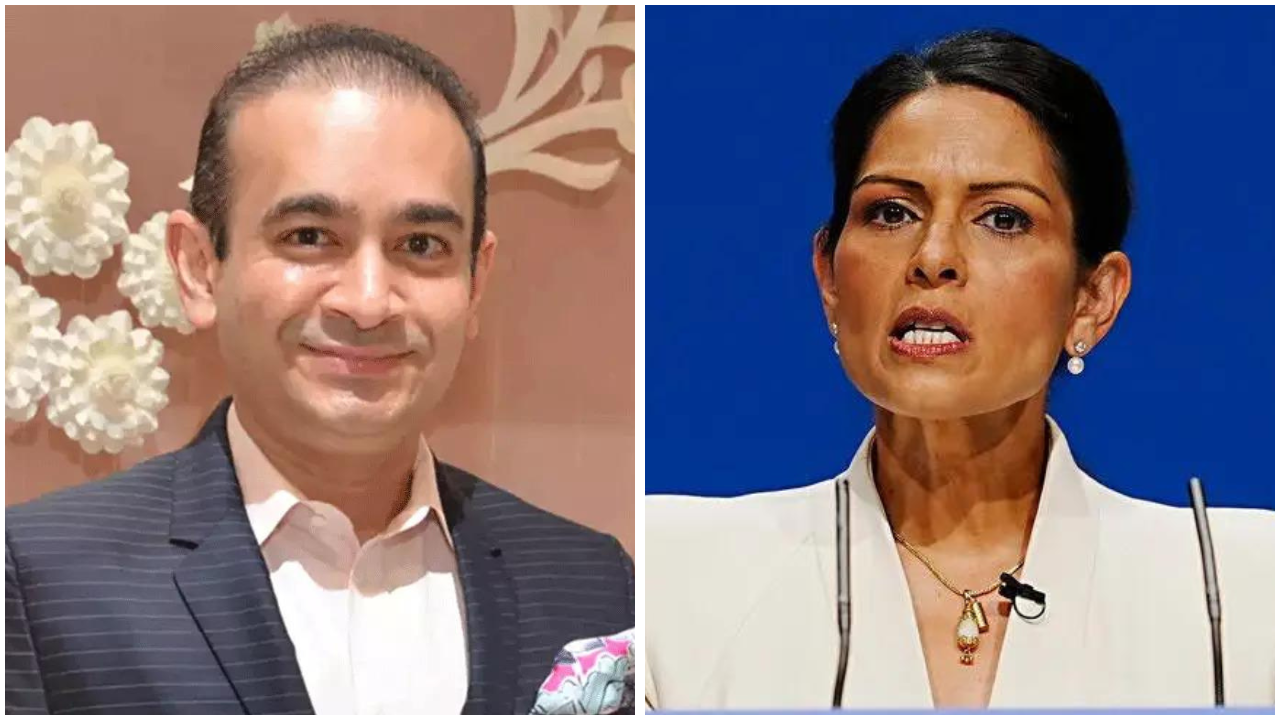
During a recent address at an event in London, former UK Home Secretary Priti Patel made a significant disclosure, asserting that India had linked its agreement to accept illegal migrants from the United Kingdom to the UK’s pending decision on the extradition of fugitive diamond merchant Nirav Modi. Ms. Patel, who served as Home Secretary from 2019 to 2022, indicated that this linkage created a considerable hurdle in repatriating individuals residing illegally in the UK, highlighting the complex interplay of judicial and immigration matters between the two nations.
Diplomatic Leverage and Policy Implications
Ms. Patel’s remarks suggest a deliberate strategy by the Indian government to use the issue of migrant returns as leverage in its pursuit of high-profile economic offenders. Such an approach, if confirmed by official Indian sources, represents a pragmatic yet controversial facet of international diplomacy, where distinct policy areas become intertwined in bilateral negotiations. The statement sheds light on the intricacies involved in securing comprehensive agreements, particularly when national interests diverge or conflict.
Challenges in Repatriation and Extradition
The United Kingdom has long sought to streamline the process of returning individuals who have overstayed their visas or entered the country illegally, and India is often cited as a key country of origin for such migrants. Conversely, India has consistently pressed for the extradition of individuals accused of serious financial crimes who have sought refuge in the UK, with Nirav Modi being a prominent example. Ms. Patel’s comments indicate that these two separate, but equally critical, areas of bilateral concern were actively linked during her tenure, complicating resolution on both fronts.
The Stance of the Indian Government
While the Indian government has not formally commented on Ms. Patel’s specific assertion, its consistent stance has been to demand the timely extradition of economic offenders like Nirav Modi and Vijay Mallya. India perceives their presence in the UK as a significant impediment to justice and a matter of national prestige. The potential linkage, as described by Ms. Patel, would align with India’s long-standing policy objective of ensuring accountability for those accused of defrauding Indian financial institutions.
Broader Context of India-UK Relations
This development occurs amidst ongoing efforts to strengthen the India-UK strategic partnership, including discussions on a Free Trade Agreement (FTA) and enhanced cooperation across various sectors. The public revelation of such sensitive diplomatic negotiation tactics underscores the underlying complexities that can challenge the smooth progression of bilateral relations, especially when domestic political pressures and judicial independence clash with broader strategic objectives.
Background & Context
The Nirav Modi Extradition Case
Nirav Modi, a prominent diamond merchant, is accused of orchestrating a large-scale fraud exceeding USD 2 billion against the Punjab National Bank (PNB) in India. Following the allegations, Modi fled India in 2018 and was subsequently located and arrested in London in March 2019. Since then, India has pursued his extradition rigorously through the UK legal system. Modi has consistently appealed against his extradition orders in various UK courts, citing mental health concerns and challenging the fairness of trials in India. The protracted legal battle has become a symbol of India’s determination to bring economic fugitives to justice.
UK’s Push for Migrant Returns Agreements
The United Kingdom has been keen to enhance its capacity to return illegal migrants, a policy objective that gained significant prominence following Brexit. As part of its broader immigration strategy, the UK has been negotiating return agreements with several countries, including India, to expedite the deportation of individuals who have no legal right to remain. The desire for a robust mechanism to repatriate Indian nationals forms a crucial part of the UK’s immigration agenda, aiming to demonstrate control over its borders and reduce net migration figures.
The India-UK Migration and Mobility Partnership
In May 2021, India and the UK signed a landmark Migration and Mobility Partnership, aiming to facilitate smoother movement of students and professionals between the two countries, while also committing to tackling illegal migration. This agreement included provisions for both nations to take back their respective citizens who are living illegally in the other country. However, the practical implementation of the return clauses has faced challenges, with both sides navigating complex legal and logistical hurdles, alongside underlying diplomatic considerations as suggested by Ms. Patel’s statement.
Why It Matters (Impact Analysis)
Implications for Bilateral Diplomacy
Ms. Patel’s disclosure profoundly impacts the perception of India-UK diplomatic relations. It reveals a transactional aspect of negotiations, where distinct policy issues are strategically intertwined. This approach, while a common tactic in international relations, can complicate future dialogues, potentially making it harder to compartmentalise issues or build trust based on shared values. It could also set a precedent for other nations to adopt similar bargaining tactics when dealing with the UK or India.
Challenges to the Rule of Law and Judicial Independence
The alleged linkage between migrant returns and a high-profile extradition case raises critical questions regarding the principle of the rule of law and the independence of judicial processes. While governments engage in political negotiations, directly connecting the outcome of a court case (extradition) with unrelated policy areas (migrant returns) could be perceived as an attempt to influence judicial decisions, or at least leverage judicial outcomes for political gains. This has implications for the perception of judicial autonomy in the UK and the fairness of its legal system.
Future Policy Formulation and Public Perception
This revelation will likely influence future policy formulation on both immigration and extradition. For the UK, it underscores the challenges in securing comprehensive returns agreements without addressing broader bilateral sensitivities. For India, it highlights the perceived effectiveness of leveraging diverse policy areas to achieve specific national objectives. Furthermore, it shapes public perception in both countries, potentially fueling debates on sovereignty, national interest, and the efficacy of international cooperation, thereby influencing electoral discourse and public opinion on foreign policy.
Key Takeaways
- The statement by former UK Home Secretary Priti Patel exposes the complex and often strategic linkages employed by nations in diplomatic negotiations, intertwining seemingly disparate issues like immigration and judicial extradition.
- This underscores the persistent challenges in India-UK relations, particularly concerning the effective implementation of immigration agreements and the resolution of high-profile extradition cases, highlighting areas of potential friction in future bilateral engagements.